
Compliance Reference
Importing Spices into the EU: Labelling and Compliance Basics
EU food import requirements are detailed, country-specific in some respects, and updated periodically — this guide is a general orientation to the categories of requirement you'll encounter, not a substitute for confirming current rules with your own customs broker or import compliance contact.
Written by Raju Y.
- 3 min
- Reading time
- 4
- Sections
- 3
- Questions answered
- 15 Sept 2026
- Last reviewed
In this guide
Sourcing this product? See our Turmeric, Dry Red Chilli, Coriander, Black Pepper, Cumin, Cardamom, Dry Ginger, Fennel Seeds and Fenugreek Seeds product pages for specifications, HS code and MOQ.
At a glance
Broad Categories of Requirement
EUFood safety and contaminant limits
Aflatoxin limits on chilli, pepper, turmeric and more — Regulation (EU) 2023/915
Labelling requirements
Destination-language, allergen declarations, net weight, traceability
Import documentation
Health and phytosanitary certificates, product- and entry-country specific
The Broad Categories of Requirement
- Food safety and contaminant limits — the EU sets maximum aflatoxin levels specifically for dried chillies, paprika, pepper, nutmeg, ginger, turmeric and spice mixtures containing them, alongside broader limits on pesticide residues and heavy metals, administered through EU-wide food safety regulation (currently Regulation (EU) 2023/915 and its amendments, which recast the older Regulation (EC) 1881/2006).
- Labelling requirements — including language requirements (often needing the destination country's official language), allergen declarations where relevant, net weight, and traceability information.
- Import documentation — including health certificates, phytosanitary certificates, and other documentation specific to the product category and country of entry.
Border Controls Can Vary by Country of Origin
The EU applies increased-frequency official controls to specific product-and-origin combinations it considers higher risk — for example, cumin from India has been subject to tighter conditions and increased testing frequency in recent years. This isn't a reason to avoid a particular origin, but it does mean the actual inspection and testing burden on a shipment can depend on where it's coming from, not just what it is. Ask your supplier whether the specific product and origin combination you're importing currently falls under any increased-checks list, and confirm with your customs broker, since these lists are reviewed and updated periodically.
Why This Varies by Product and Country of Entry
Requirements can differ by specific product category (spices, botanical ingredients, and food supplements are not treated identically), and some administrative details vary by which EU member state serves as the port of entry. Treat any general summary — including this one — as a starting orientation, and confirm current, product-specific requirements with a customs broker or import compliance professional in your destination country before finalizing packaging or shipping.
What a Supplier Can and Can't Do For You
A supplier experienced in EU-bound shipments can usually provide standard export documentation (certificate of origin, phytosanitary certificate) and share test results relevant to contaminant limits. What a supplier generally cannot do is guarantee compliance with your specific destination country's current labelling rules — that responsibility, and the relevant expertise, sits on the importing side.
Frequently Asked Questions
Does the EU set aflatoxin limits for spices?
Yes — maximum aflatoxin levels apply specifically to dried chillies, paprika, pepper, nutmeg, ginger, turmeric and spice mixtures containing them, under Regulation (EU) 2023/915 and its amendments (which recast Regulation (EC) 1881/2006), alongside limits on pesticide residues and heavy metals.
Are some Indian spices subject to extra EU border checks?
The EU applies increased-frequency official controls to specific product-and-origin combinations it considers higher risk — cumin from India, for example, has been subject to tighter conditions and increased testing in recent years. These lists are reviewed periodically; confirm with your supplier and customs broker.
Can my supplier guarantee EU labelling compliance?
No. An experienced supplier can provide standard export documentation and share contaminant test results, but responsibility for your destination country's current labelling rules sits on the importing side.
This guide is general orientation for buyers, not legal, customs or regulatory advice. Requirements change and vary by product, origin and importer type — confirm current rules with your own customs broker or compliance contact before relying on anything here for an actual shipment.
Related Reading
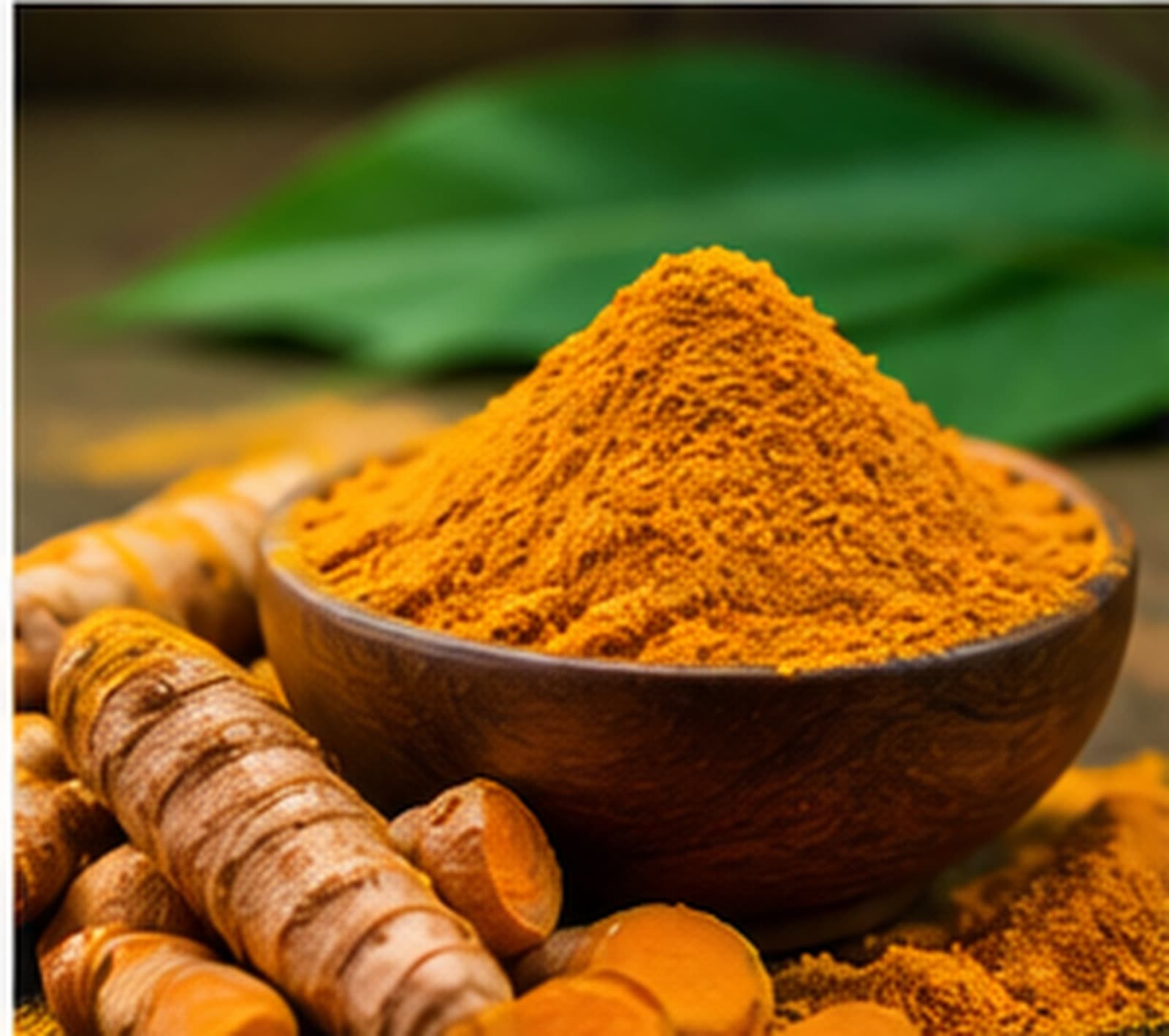
Product
Turmeric
Turmeric exporter from India — whole fingers and ground powder
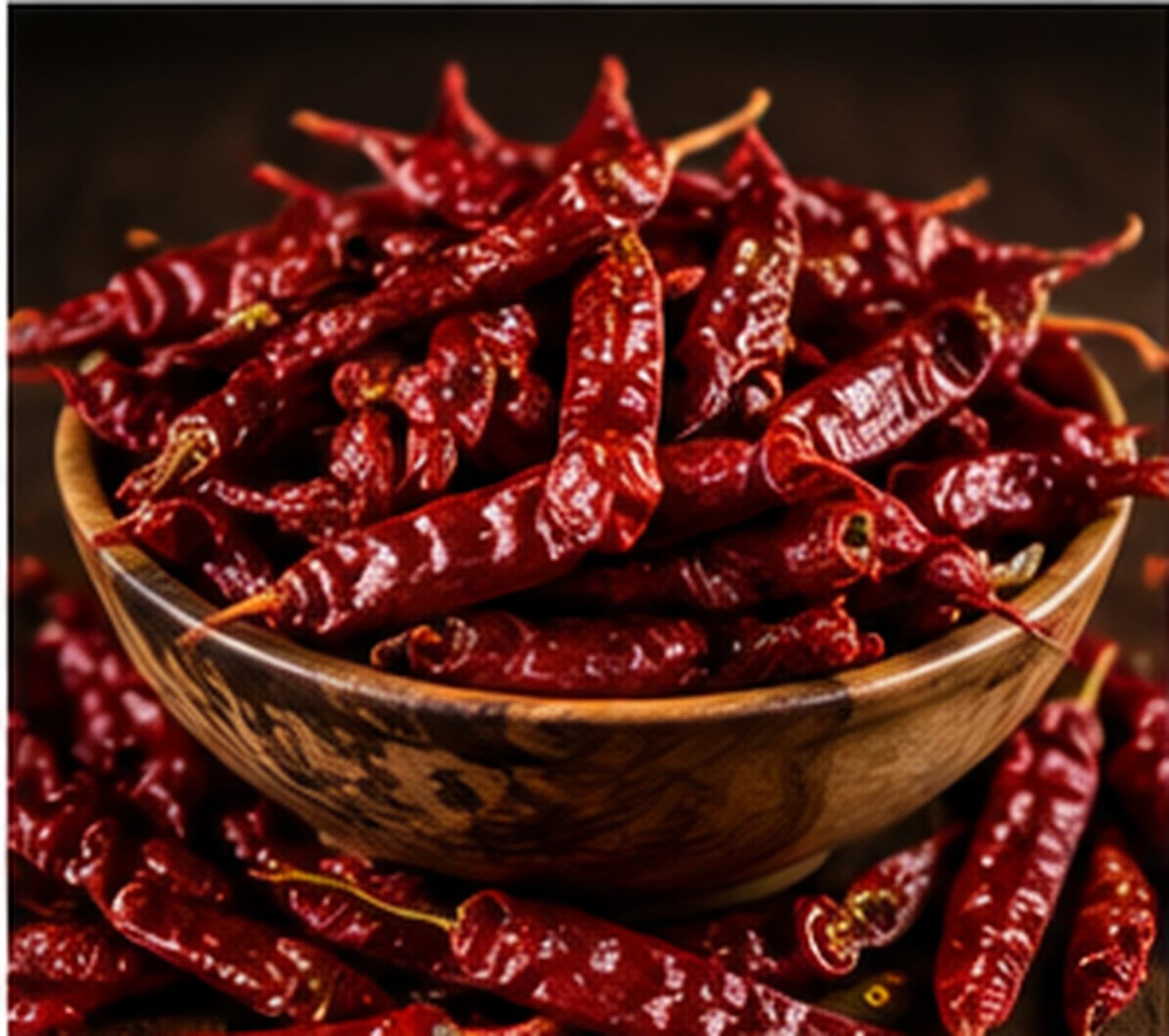
Product
Dry Red Chilli
Indian dry red chilli supplier — whole chillies and ground powder
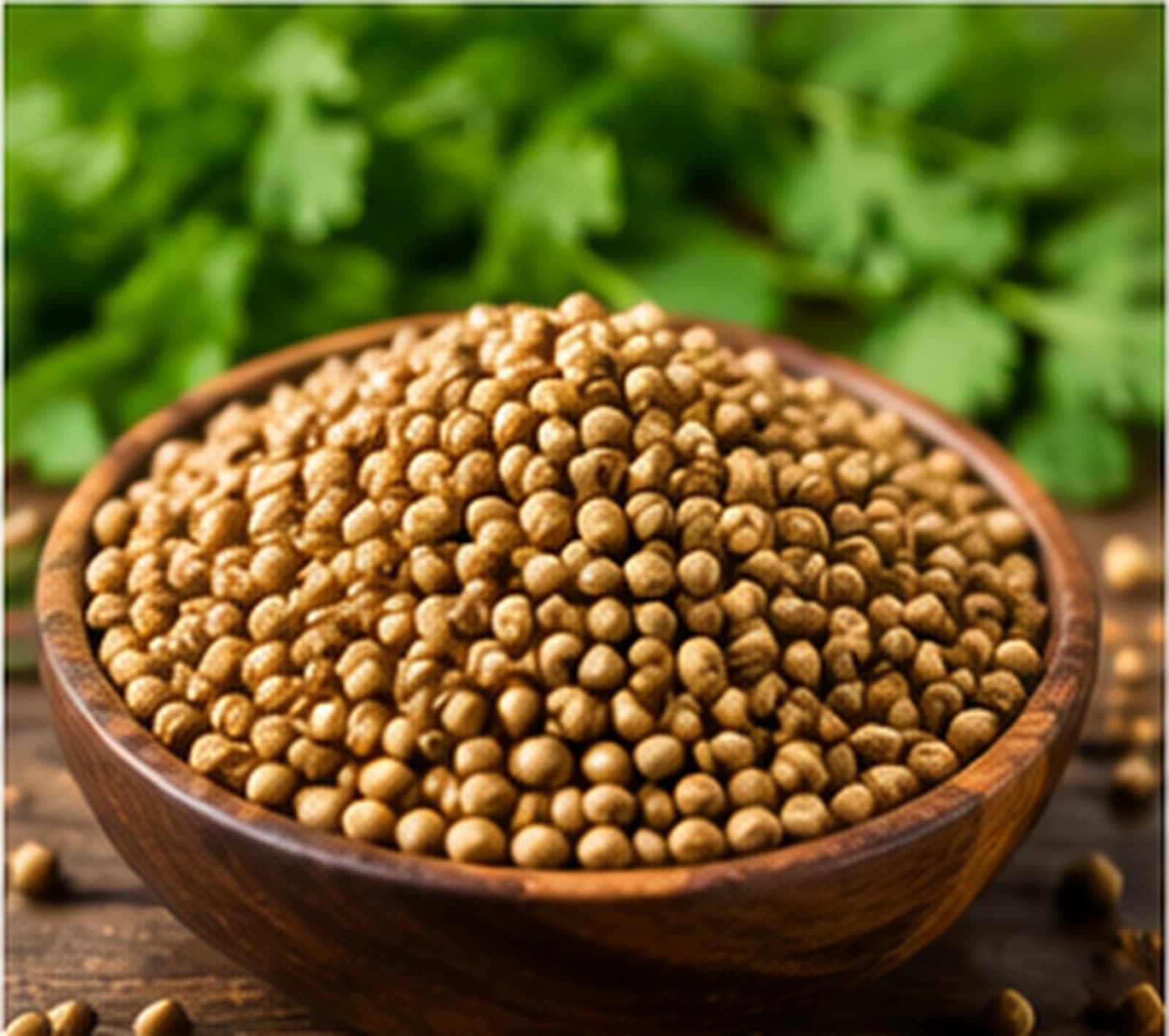
Product
Coriander
Coriander supplier India — whole seeds and ground powder
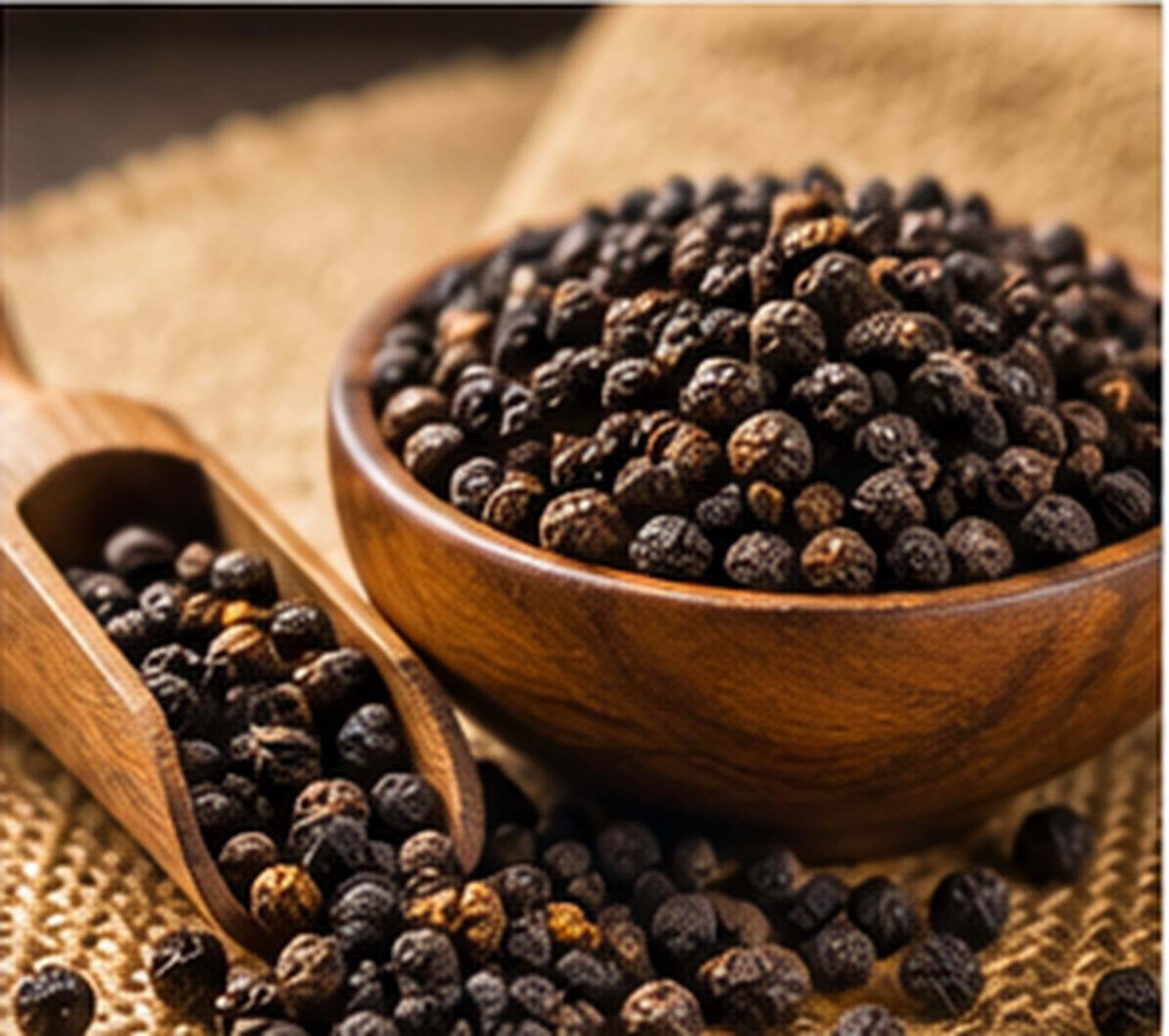
Product
Black Pepper
Black pepper export supplier India — whole and ground
Product
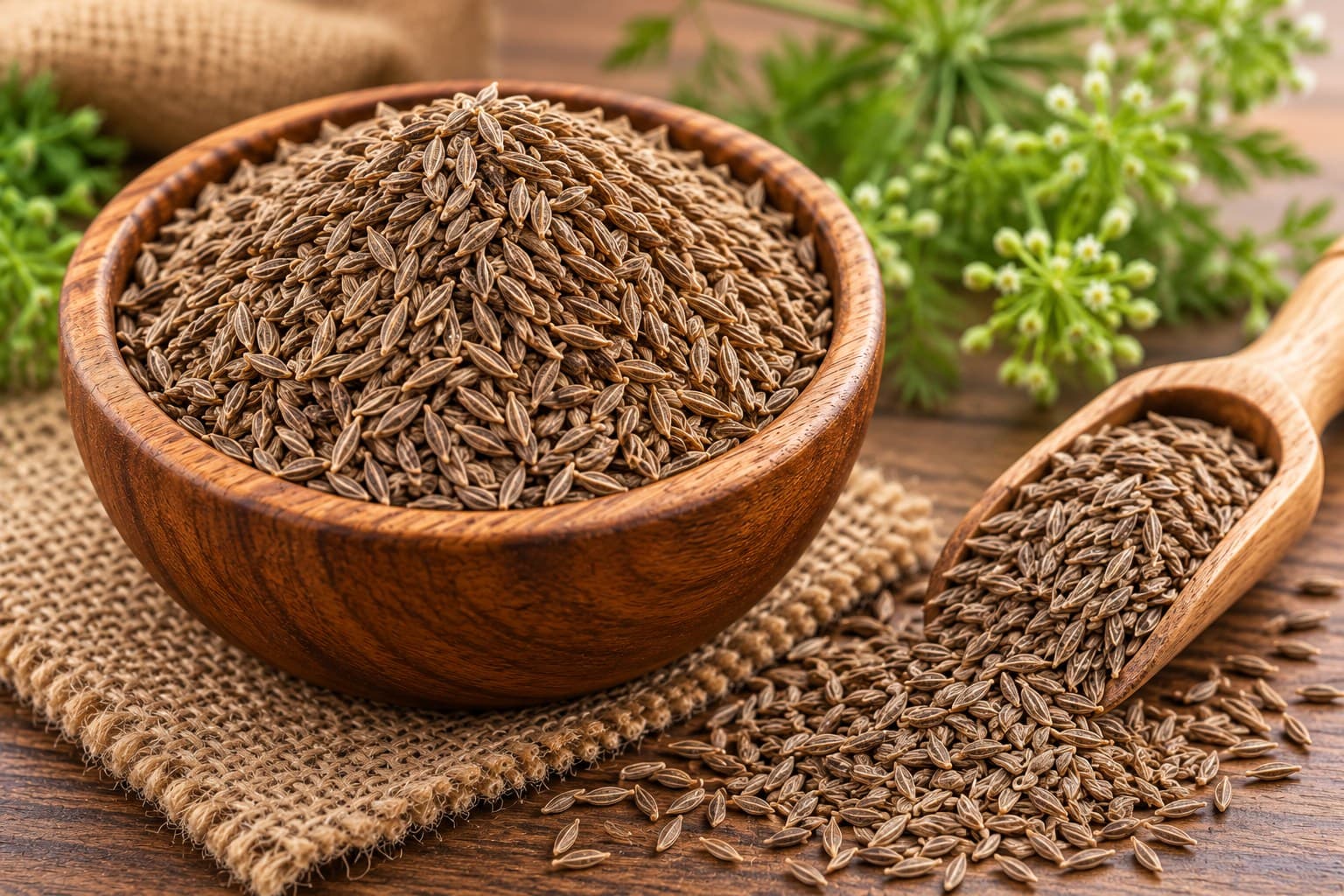
Cumin
Cumin seed exporter from India — whole seeds and ground powder

Product
Cardamom
Green cardamom exporter from India — whole pods, seeds and ground powder
Product
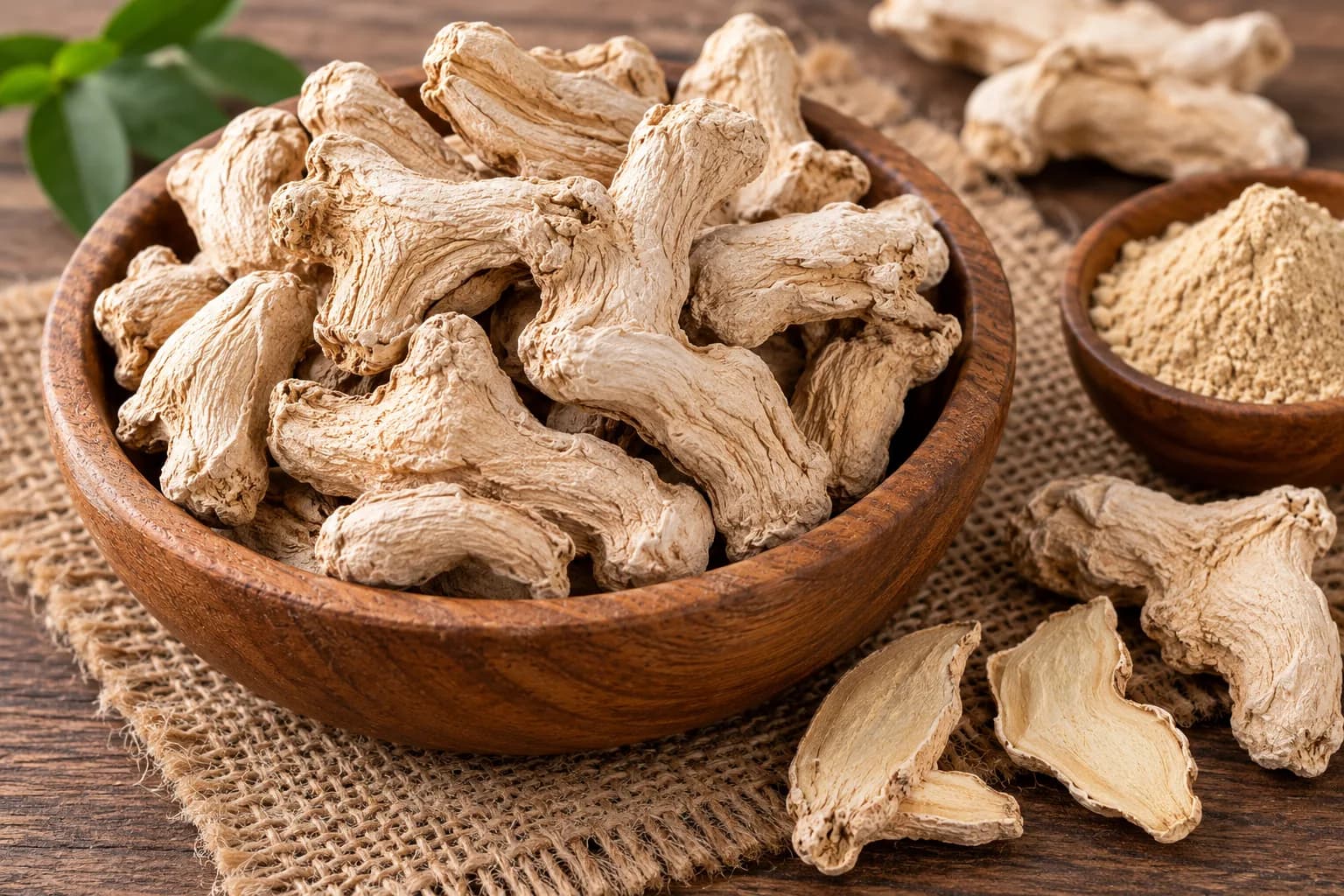
Dry Ginger
Dry ginger exporter from India — whole dried ginger and ground powder
Product
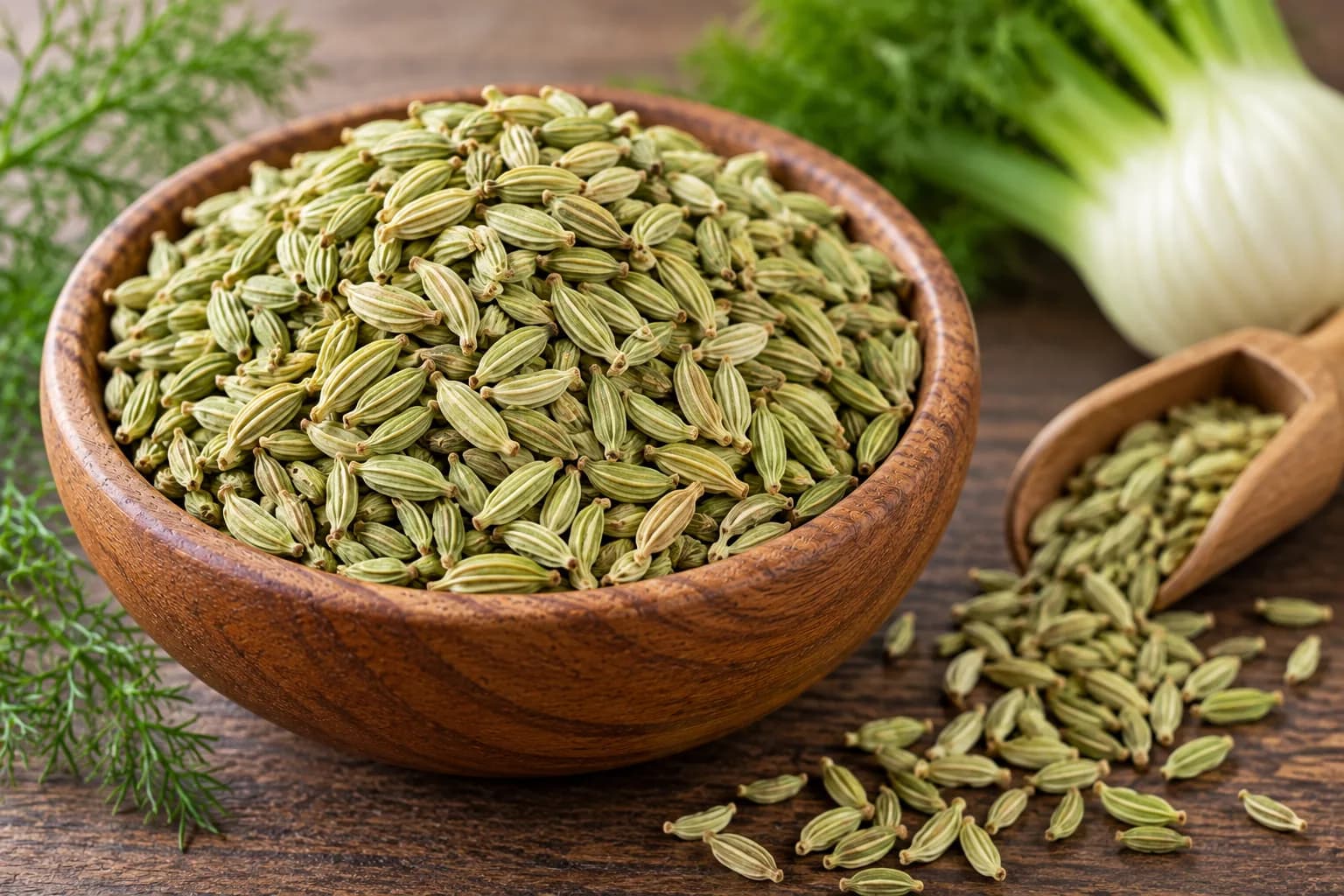
Fennel Seeds
Fennel seed exporter from India — whole seeds for food and beverage manufacturing
Product
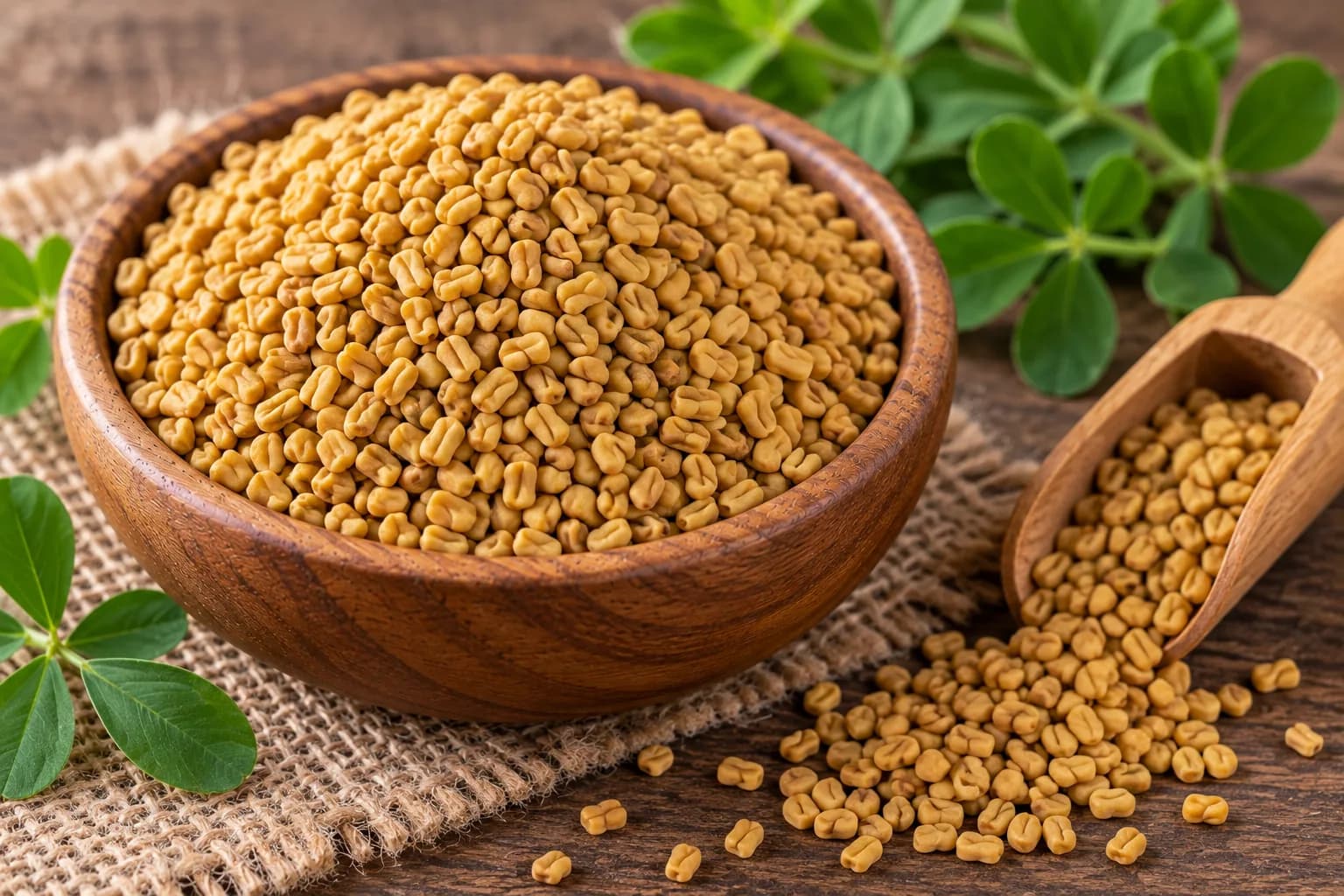
Fenugreek Seeds
Fenugreek seed exporter from India — whole seeds for food and spice blending
Compliance Reference
APEDA vs FSSAI Explained
A plain-language explanation of APEDA and FSSAI registration — what each covers, why a supplier needs both, and how to verify them yourself before you order.
Read guide →Reference
Quality & Safety Testing for Spice Exports: Aflatoxin, Pesticide Residue and Microbial Limits
What aflatoxin, pesticide residue (MRL) and microbiological testing check on a spice shipment, why limits differ by destination, and what to ask a supplier for.
Read guide →Compliance Reference
Importing Spices and Agri Products into the UK: Basics
A general orientation to UK import requirements for spices and agri products since the UK set its own rules apart from the EU — what typically needs review.
Read guide →Reference
Common Export Documentation Checklist
A one-page reference to the documents that typically accompany an India spice or agri export shipment, and what each one is actually for.
Read guide →Get Started
Request a Product Quotation
Share your product requirements, quantity, destination and packaging preferences — we’ll come back with specification, availability and next steps.