Buyer's Guide
MOQ and Container Loads for Spice & Agri Exports
“What's your MOQ?” is usually the first question a buyer asks, and it's also the question suppliers answer least precisely — not because they're being evasive, but because MOQ genuinely isn't a fixed number. It moves with product, packaging format, and destination. This guide breaks down how to think about order sizing so you can plan a realistic first shipment.
Written by Raju Y.
- 5 min
- Reading time
- 7
- Sections
- 4
- Questions answered
- 15 Sept 2026
- Last reviewed
In this guide
Sourcing this product? See our Turmeric, Dry Red Chilli, Coriander, Black Pepper, Cumin and Coco Peat & Coir Pith product pages for specifications, HS code and MOQ.
At a glance
Rough Container Yield — Planning Numbers, Not Quotes
Whole Spices
25 kg PP bag
- 20ft container
- ~500–600 bags (12–15 MT)
- 40ft container
- ~1,000–1,200 bags (24–28 MT)
Ground Powder
25 kg PP bag
- 20ft container
- ~450–550 bags (11–14 MT)
- 40ft container
- ~950–1,100 bags (23–26 MT)
Coco Peat Blocks
5 kg block, compressed
- 20ft container
- ~12–14 MT (palletized)
- 40ft container
- ~24–27 MT (palletized)
Why MOQ Isn't One Number
A supplier quoting “100 kg MOQ” for turmeric fingers and a supplier quoting “1 container MOQ” for the same product aren't necessarily inconsistent — they may be describing different packaging formats, different relationships (trial order vs. established buyer), or different supply flexibility at that moment.
Treat any MOQ you're given as indicative until confirmed against your actual order: your product, your packaging preference, and your destination port. A credible supplier will confirm the real number once those three variables are known, rather than holding to a generic figure regardless of what you're asking for.
LCL vs. FCL: The First Real Decision
Before bag sizes and pallet counts, the more important early decision is how the shipment moves.
- LCL (Less than Container Load) — your cargo shares container space with other shippers' goods. Lower total cost for a small order, but slower transit, more handling touchpoints, and a higher relative freight cost per kg.
- FCL (Full Container Load) — you book the entire container. Higher upfront volume commitment, but better freight economics per kg, fewer handling risks, and a more predictable timeline.
For a first order with a new supplier, LCL is often the more sensible choice — it caps your exposure while you evaluate the relationship, even though the per-kg freight cost is higher. Once quality and reliability are proven, moving to FCL is usually where the real cost efficiency shows up.
Rough Container Yield: Planning Numbers, Not Quotes
The table below gives directional planning figures only — actual yield depends on bag type, palletization, moisture content, and how the container is loaded. Always confirm a real loading plan with your supplier before treating any number here as final.
| Product type | Common bulk unit | Approx. 20ft container | Approx. 40ft container |
|---|---|---|---|
| Whole spices (turmeric, chilli, coriander, pepper) | 25 kg PP bag | ~500–600 bags (12–15 MT) | ~1,000–1,200 bags (24–28 MT) |
| Ground spice powder | 25 kg PP bag | ~450–550 bags (11–14 MT) | ~950–1,100 bags (23–26 MT) |
| Coco peat blocks (compressed) | 5 kg block | ~12–14 MT (palletized) | ~24–27 MT (palletized) |
Coco peat in particular is volume-limited rather than weight-limited — you'll hit the container's cubic capacity before you hit its weight limit, which changes the math compared to dense spice bags.
How Packaging Format Changes Your MOQ
- Retail zip-lock pouch — suited to smaller trial orders and direct-to-shelf buyers. Higher per-kg cost, lower total MOQ.
- Bulk PP bag (typically 25 kg) — the standard unit for wholesale and food-manufacturing buyers, and where most container-yield planning starts.
- Jumbo bag — for buyers moving larger volumes with less packaging handling; reduces per-kg packaging cost but raises the practical minimum order.
- Private label / custom packaging — MOQ here is typically higher and depends on manufacturer capability, artwork lead time, and minimum print-run economics.
If your target order doesn't cleanly match a standard packaging tier, say so upfront — suppliers can often adjust bag size or format to fit a specific volume rather than rounding you up or down to a default.
Sample Order vs. First Commercial Order
A sample (typically 200g–500g) exists to confirm quality — colour, aroma, grind consistency, moisture — before any commercial commitment. It is not a pricing exercise, and per-kg sample pricing (if any) won't resemble bulk pricing.
A first commercial order is where MOQ, packaging, and container planning actually apply — and usually also where Incoterms, payment terms, and documentation get finalized. Skipping the sample stage to save time is one of the more common mistakes first-time importers make; a mismatched sample is a far cheaper problem to discover than a mismatched container.
Stuffing and Moisture Protection
Once the quantity is settled, how the container is loaded matters as much as how much goes in. Even weight distribution, sound stacking and bracing (dunnage) stop cargo shifting in transit, and staying within container and axle weight limits avoids overload problems at the port.
On long ocean routes, moisture-sensitive products may need desiccant bags or a container liner to manage condensation risk. Whether that is needed depends on the product, route and season, so raise it with your supplier or forwarder up front. Loading should also match the agreed packing specification and be checked at pre-shipment inspection before the container is sealed.
Getting to a Real Number
The fastest way to get an accurate MOQ isn't to ask the question in the abstract — it's to bring your supplier three specifics: product, target packaging, and destination port. With those three, a supplier can give you a real minimum order and a real container yield estimate, instead of a rounded default that may not fit your actual shipment.
Frequently Asked Questions
Why do suppliers quote different MOQs for the same product?
MOQ isn't one number — it moves with packaging format, the buyer relationship (trial order versus established buyer) and supply flexibility at that moment. Treat any MOQ as indicative until it's confirmed against your product, your packaging preference and your destination port.
Should a first order ship LCL or FCL?
For a first order with a new supplier, LCL is often the more sensible choice: it caps your exposure while you evaluate the relationship, even though the per-kg freight cost is higher. Once quality and reliability are proven, moving to FCL is usually where the real cost efficiency shows up.
How many bags fit in a 20ft container?
As planning figures only: whole spices in 25 kg PP bags run roughly 500–600 bags (12–15 MT) in a 20ft container and 1,000–1,200 bags in a 40ft; ground powder slightly fewer. Coco peat is volume-limited rather than weight-limited. Always confirm a real loading plan with your supplier.
How large is a sample order?
Typically 200 g–500 g, enough to confirm colour, aroma, grind consistency and moisture before any commercial commitment. It is not a pricing exercise — per-kg sample pricing, if any, won't resemble bulk pricing.
This guide is general orientation for buyers, not legal, customs or regulatory advice. Requirements change and vary by product, origin and importer type — confirm current rules with your own customs broker or compliance contact before relying on anything here for an actual shipment.
Related Reading
Product
Turmeric
Turmeric exporter from India — whole fingers and ground powder
Product
Dry Red Chilli
Indian dry red chilli supplier — whole chillies and ground powder
Product
Coriander
Coriander supplier India — whole seeds and ground powder
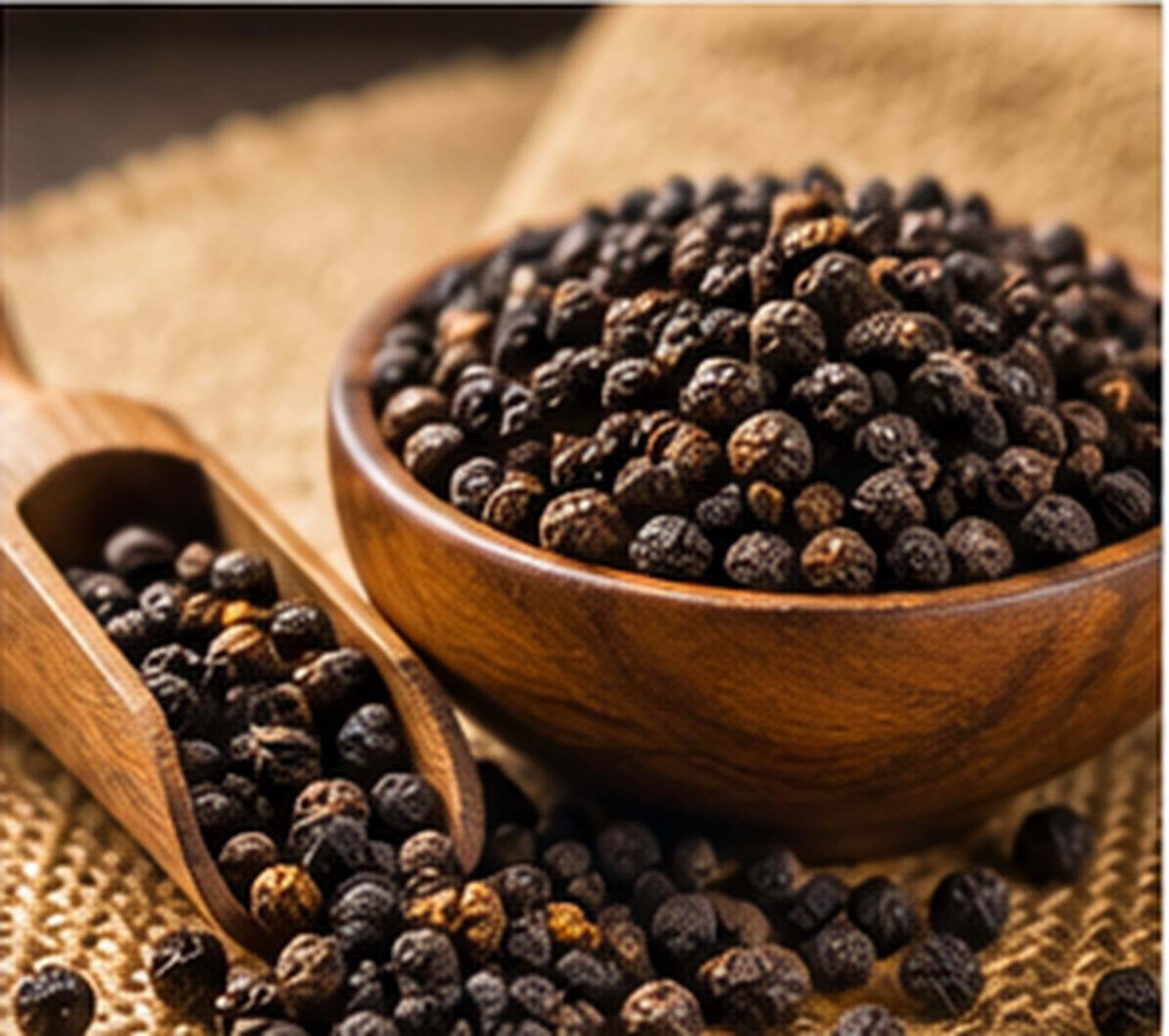
Product
Black Pepper
Black pepper export supplier India — whole and ground
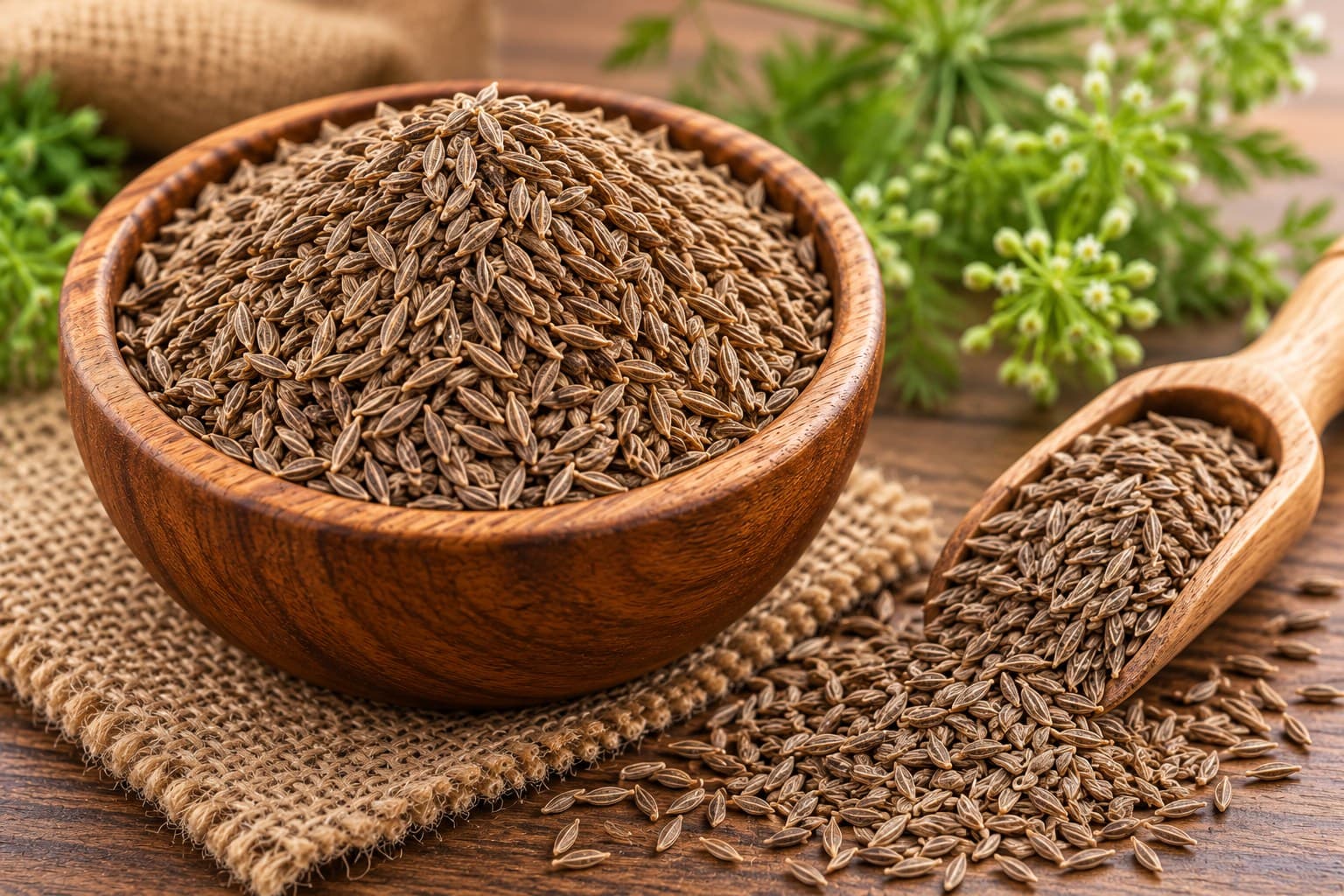
Product
Cumin
Cumin seed exporter from India — whole seeds and ground powder
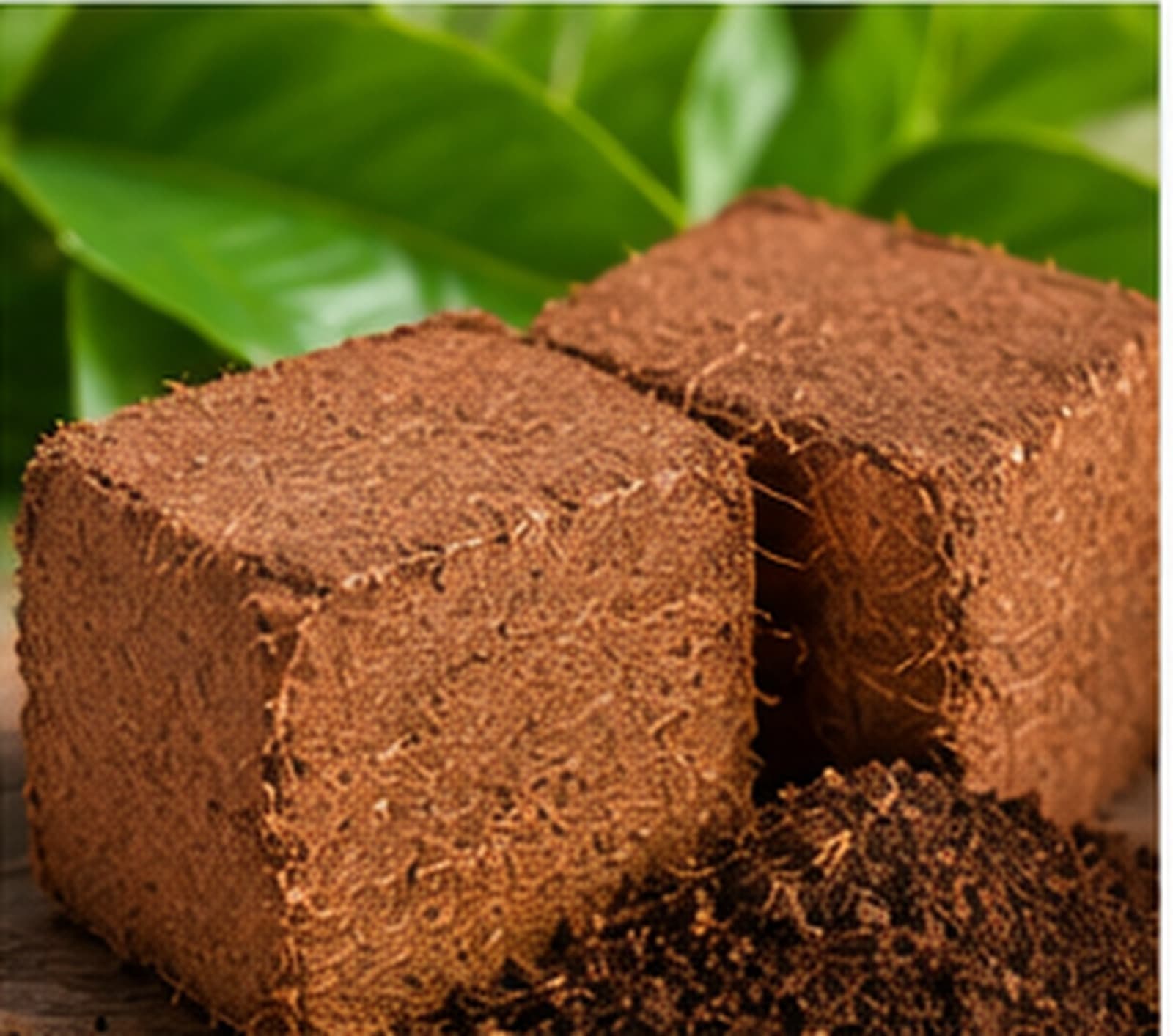
Product
Coco Peat & Coir Pith
Coco peat supplier India — coir pith exporter for horticulture and growing media
Buyer's Guide
How to Import Turmeric from India
A practical guide for buyers importing turmeric from India — sourcing regions, quality parameters, HS codes, MOQ, container math, and export documentation.
Read guide →Buyer's Guide
Choosing Export Packaging by Destination
How to choose spice and agri export packaging by buyer type and destination — pouches, bulk bags, private label, and what changes for humid or long routes.
Read guide →Buyer's Guide
Sourcing Spices from India for Food Manufacturing: What to Check
What changes when you're buying Indian spices for a production line rather than a retail shelf — lot consistency, CoA per shipment, and repeat-order planning.
Read guide →Buyer's Guide
Private Label Spice Sourcing from India: What to Expect
What happens on a private-label spice order from India — artwork approval, how MOQ compounds, and the difference between a product sample and a packaging proof.
Read guide →Buyer's Guide
Pre-Shipment Inspection: What It Is and When to Request One
What a pre-shipment inspection actually checks, who typically arranges and pays for one, and when it's worth adding to a spice or agri export order.
Read guide →Get Started
Request a Product Quotation
Share your product requirements, quantity, destination and packaging preferences — we’ll come back with specification, availability and next steps.