Buyer's Guide
How to Import Turmeric from India
Turmeric is one of the most widely traded Indian spices, and also one of the easiest to get wrong on a first order — the difference between a good shipment and a disappointing one usually comes down to a handful of specifics that don't show up in a generic price quote. This guide walks through what actually matters when you're sourcing turmeric from India.
Written by Raju Y.
- 5 min
- Reading time
- 7
- Sections
- 4
- Questions answered
- 15 Sept 2026
- Last reviewed
In this guide
Sourcing this product? See our Turmeric product page for specifications, HS code and MOQ.
At a glance
Quality Parameters — Typical Range
Curcumin content
2.5% – 4.0%
Moisture
≤ 10%
Volatile oil
≥ 2.0%
Foreign matter
≤ 1%
Why Origin Matters: Erode and the Tamil Nadu Turmeric Belt
Turmeric quality varies significantly by growing region, and “Indian turmeric” alone isn't a specification. Erode, in Tamil Nadu, is one of India's established turmeric-producing belts, known for consistent curcumin content and colour value. When you're evaluating a supplier, ask specifically where the crop is sourced — a vague answer is often the first sign that traceability further down the chain will be vague too.
This matters practically, not just for provenance: origin affects curcumin content, moisture behavior in transit, and how the material performs after grinding. A supplier who can name the growing belt, and ideally the season, is giving you real information to work with.
Whole Fingers vs. Ground Powder — Which Should You Import?
Turmeric is exported in two primary forms, and the right choice depends on what happens after it lands.
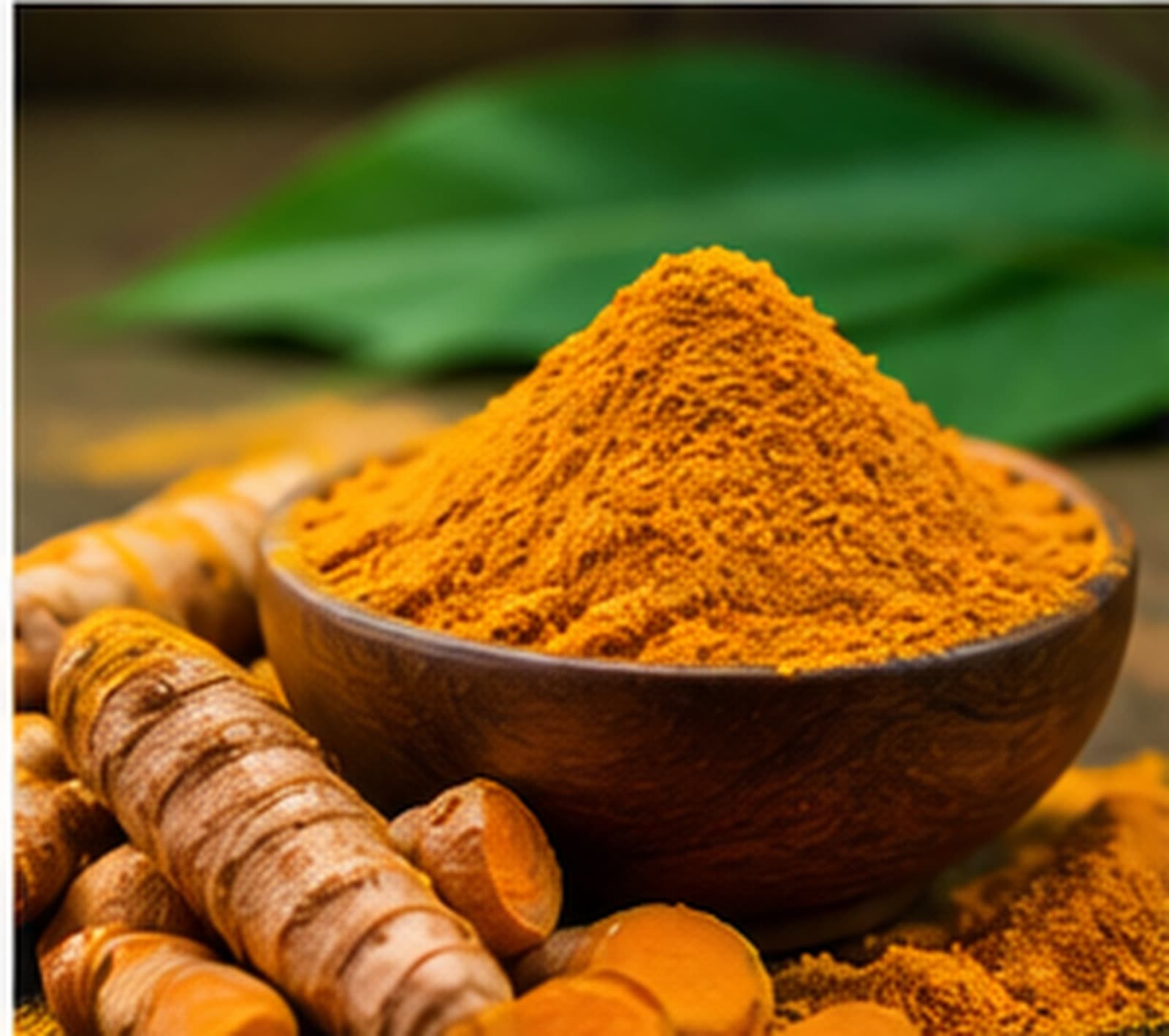
- Whole turmeric fingers hold their quality longer in storage and transit, since grinding accelerates the loss of volatile oil and colour. Better if you're grinding domestically, blending with other ingredients, or want a longer shelf life before end use.
- Ground turmeric powder is ready for direct use in food manufacturing or retail packaging, but is more sensitive to moisture, light, and time. If you import powder, ask about the milling date, not just the shipment date.
If you're unsure which format suits your business, raise it with your supplier before requesting a quote — it changes packaging, MOQ, and sometimes even pricing structure.
The Quality Parameters That Actually Matter
A turmeric spec sheet without numbers isn't a specification. At minimum, ask for:
| Parameter | Typical Range |
|---|---|
| Curcumin content | 2.5% – 4.0% (Erode origin; higher tiers exist from other origins) |
| Moisture | ≤ 10% |
| Volatile oil | ≥ 2.0% |
| Foreign matter | ≤ 1% |
These numbers describe a typical range for the crop and origin, not a guarantee that applies identically to every lot. Turmeric is an agricultural product — curcumin content shifts with season, soil, and harvest timing. A credible supplier will confirm the actual figures for your specific lot before shipment, rather than quoting the same numbers regardless of what's in stock. If a supplier gives you round numbers with no hedging and no offer to confirm per-lot, treat that as a question mark, not reassurance.
Understanding the HS Code
Turmeric's HS code depends on the form: whole, dried turmeric fingers are classified under 0910.30.20, and ground turmeric powder under 0910.30.30 — two different codes, not one covering both forms. This code determines duty rates, import documentation requirements, and how the shipment is classified at your port of entry. Confirm the code against your specific form with your own customs broker as well — HS code interpretation can vary slightly by destination country, and getting it wrong on paperwork causes delays that have nothing to do with the product itself.
Minimum Order Quantity and Container Math
MOQ for turmeric is typically indicative rather than fixed — it depends on packaging format, destination, and current supply. As a general starting point, a first order in the range of 100 kg is common for buyers testing a supplier relationship, with bulk and container-load quantities scaling up from there.
- 25 kg bulk bags — a standard unit for wholesale and food-manufacturing buyers
- 20ft container — typically accommodates several hundred bags depending on packaging density
- 40ft container — roughly double the 20ft yield
Exact container yield depends on bag size, palletization, and whether you're shipping whole fingers (denser) or powder. Ask your supplier for an actual loading plan against your target volume rather than relying on rough averages.
Documentation Your Supplier Should Provide
- Certificate of Origin (COO) — confirms the product's country of origin for customs and preferential tariff purposes
- Phytosanitary certificate — required by most destination countries for agricultural imports
- APEDA registration — required for agricultural export from India; ask to see the registration, not just hear that it exists
- FSSAI compliance documentation — relevant where food safety standards apply
- Commercial invoice and packing list matched to the actual shipment, not a template
If a supplier is vague about any of these, or treats the request as unusual, that's worth taking seriously — this documentation is standard practice, not a special favor.
Common Mistakes First-Time Importers Make
- Accepting a price quote without confirming the Incoterm — the same number can mean very different total costs depending on whether it's FOB, CFR, or CIF.
- Skipping a sample before a full order — a small sample is inexpensive insurance against a mismatched expectation on colour, aroma, or grind consistency.
- Not asking who tests the lot — ask whether quality parameters are confirmed in-house, by the supplier's source, or by an independent lab, and at what stage.
- Treating “bulk export ready” as a fixed spec — packaging and grade should match your actual use case, not a generic default.
Frequently Asked Questions
Should I import whole turmeric fingers or ground powder?
Whole fingers hold their quality longer in storage and transit, because grinding accelerates the loss of volatile oil and colour — better if you grind domestically or want a longer shelf life. Powder is ready for direct use but more sensitive to moisture, light and time; if you import powder, ask for the milling date, not just the shipment date.
What quality parameters should a turmeric specification include?
At minimum: curcumin content (typically 2.5%–5.0%), moisture (≤ 10%), volatile oil (≥ 2.0%) and foreign matter (≤ 1%). These are typical ranges for the crop and origin, not guarantees — a credible supplier confirms the actual figures for your specific lot before shipment.
What is the HS code for turmeric?
Whole/dried turmeric fingers are classified under HS code 0910.30.20, and ground turmeric powder under 0910.30.30 — two different codes, not one covering both. Confirm the code against your specific form with your own customs broker as well, since HS interpretation can vary slightly by destination country.
What is a typical minimum order quantity for turmeric from India?
MOQ is indicative rather than fixed — it depends on packaging, destination and current supply. A first order around 100 kg is common for buyers testing a supplier relationship, with 25 kg bulk bags as the standard wholesale unit and container-load quantities scaling up from there.
This guide is general orientation for buyers, not legal, customs or regulatory advice. Requirements change and vary by product, origin and importer type — confirm current rules with your own customs broker or compliance contact before relying on anything here for an actual shipment.
Related Reading
Product
Turmeric
Turmeric exporter from India — whole fingers and ground powder
Buyer's Guide
MOQ and Container Loads for Spice & Agri Exports
How MOQ actually works for Indian spice and agri exports — LCL vs FCL, bag sizes, container yield math, and how packaging changes your minimum order.
Read guide →Buyer's Guide
Incoterms for First-Time Spice Importers
A plain-language guide to FOB, CFR, and CIF for spice importers from India — what each term includes, and why the same price can mean different costs.
Read guide →Product Guide
Erode vs Salem Turmeric: Which Grade Should You Import?
How Erode and Salem turmeric compare — finger vs. bulb form, curcumin tiers, and what to actually ask a supplier before choosing between the two belts.
Read guide →Get Started
Request a Product Quotation
Share your product requirements, quantity, destination and packaging preferences — we’ll come back with specification, availability and next steps.