Product Guide
Erode vs Salem Turmeric: Which Grade Should You Import?
Buyers who've done any amount of turmeric sourcing eventually run into both Erode and Salem quoted as origin belts, sometimes for the same order. Both are legitimate Tamil Nadu turmeric-producing regions, and neither is a shorthand for "better" — the more useful question is which grade actually fits your specification.
Sourcing this product? See our Turmeric product page for specifications, HS code and MOQ.
Two Belts, Not Two Tiers
Erode and Salem sit in the same general Tamil Nadu turmeric-growing region and are traded through overlapping supply chains. Treat the belt name as a description of origin, not a ranking — the more consequential distinction, in practice, is the form the rhizome is graded into: finger or bulb.
Finger vs. Bulb — The Distinction That Actually Matters
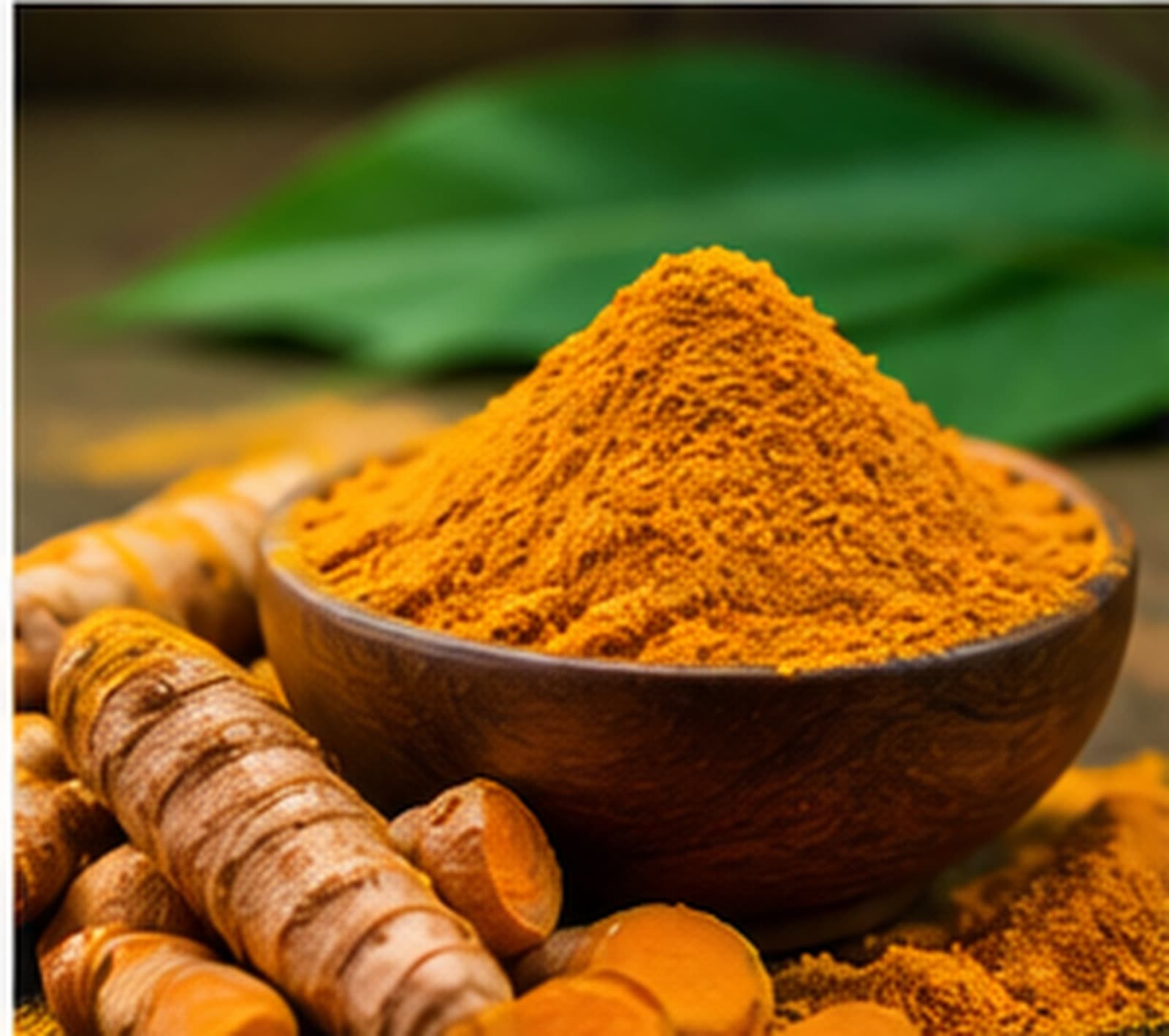
- Finger grade — the elongated, finger-shaped rhizome, the more widely traded commercial form across both belts and generally the reference grade buyers ask for by default.
- Bulb grade — the rounder, bulb-shaped rhizome from the same plant, typically priced below finger grade and suited to buyers whose end use (grinding, further processing) doesn't depend on rhizome shape.
Both forms exist under either origin name — Erode Finger, Erode Bulb, Salem Finger, Salem Bulb — so specify form and origin together rather than assuming one implies the other.
Curcumin Tiers Apply Across Both Belts
Curcumin content — the compound behind turmeric's colour and much of its market value — is graded independently of origin belt or rhizome form, typically in tiers around 2.5%, 3.5% and 5%+. A buyer prioritising colour intensity for a food-manufacturing application should specify the curcumin tier explicitly rather than relying on origin name alone to imply a particular percentage.
What to Actually Ask a Supplier
- Which belt is this specific lot from — Erode or Salem — and is that confirmed at the point of harvest, not just at the point of sale?
- Finger or bulb form, and does that match what my packaging and end use actually need?
- What curcumin tier is this lot graded at, and can that be confirmed against the specific lot before shipment?
A supplier who can answer all three specifically, rather than defaulting to "good quality Tamil Nadu turmeric," is giving you a real specification to compare against another quote.
Frequently Asked Questions
- Is Erode or Salem turmeric better?
- Neither belt is inherently better — both are legitimate Tamil Nadu turmeric-growing regions traded through overlapping supply chains. The more consequential distinction is the graded form (finger vs. bulb) and the curcumin tier, not the origin name alone.
- What's the difference between turmeric finger and bulb grade?
- Finger grade is the elongated, finger-shaped rhizome and the more widely traded commercial form. Bulb grade is the rounder rhizome from the same plant, typically priced below finger grade. Both forms exist under either the Erode or Salem name.
- Does curcumin content depend on whether turmeric is from Erode or Salem?
- Curcumin content is graded independently of origin belt, typically in tiers around 2.5%, 3.5% and 5%+. Specify the curcumin tier explicitly rather than assuming an origin name implies a particular percentage.
Related Reading
Buyer's Guide
How to Import Turmeric from India
A practical guide for buyers importing turmeric from India — sourcing regions, quality parameters, HS codes, MOQ, container math, and export documentation.
Reference
Spice Grading Terms Glossary
Plain-language definitions of common spice grading terms — SHU, volatile oil, bulk density, foreign matter, and more — for buyers reading a supplier spec sheet.
Product
Turmeric
Turmeric exporter from India — whole fingers and ground powder
Get Started
Request a Product Quotation
Share your product requirements, quantity, destination and packaging preferences — we’ll come back with specification, availability and next steps.