
Compliance Reference
GCC Import Requirements for Spices and Agri Products
The Gulf Cooperation Council countries share some regional standards coordination, but import requirements still vary by individual country. This guide is a general orientation to what buyers typically encounter, not a substitute for confirming current, country-specific requirements before shipping.
Written by Raju Y.
- 2 min
- Reading time
- 3
- Sections
- 3
- Questions answered
- 15 Sept 2026
- Last reviewed
In this guide
Sourcing this product? See our Turmeric, Dry Red Chilli, Coriander, Black Pepper, Cumin, Cardamom, Dry Ginger, Fennel Seeds, Fenugreek Seeds and Non-Basmati Rice product pages for specifications, HS code and MOQ.
At a glance
Common Categories of Requirement
GCCHalal certification
Where relevant — accepted bodies vary by destination country
Certificate of origin & phytosanitary documentation
GSO 9 labelling, Arabic-language required in most GCC markets
Regional Standards Coordination
GCC countries coordinate on some food safety and technical standards through regional standardization bodies, which can mean certain requirements are broadly aligned across member states. That said, each country maintains its own customs authority and import procedures, and specific documentation, labelling, or certification requirements can still differ by destination country within the region.
Common Categories of Requirement
- Halal certification — relevant for a range of food product categories, especially anything containing or processed alongside animal-derived ingredients; requirements and accepted certifying bodies vary by destination country. The GCC Standardization Organization (GSO) has an active general Halal food standard and has been working on an updated version — confirm the current version and your specific product's requirement directly, since this is an area under periodic revision.
- Certificate of origin and phytosanitary documentation — generally required for agricultural imports, consistent with most international food trade.
- Labelling requirements — GSO 9 is the main GCC standard covering mandatory label declarations for pre-packaged food (product name, ingredients, net weight, origin), and Arabic-language labelling is required in most GCC markets alongside these declarations.
Why Country-Specific Verification Still Matters
Even within regional standards coordination, individual customs authorities can apply requirements differently, and rules are updated periodically. Confirm current, country-specific requirements with your own customs broker or import compliance contact in the destination country before finalizing labelling or shipping documentation — this is worth treating as a standard step for GCC-bound orders, not an occasional precaution.
Frequently Asked Questions
Do all GCC countries have the same import requirements?
They coordinate on some food safety and technical standards through regional standardization bodies, but each country maintains its own customs authority and procedures, so documentation, labelling and certification requirements can still differ by destination country.
Is Halal certification required for spices in the GCC?
It's relevant for a range of food categories, especially anything containing or processed alongside animal-derived ingredients, and accepted certifying bodies vary by country. The GSO's general Halal food standard is under periodic revision, so confirm the current requirement for your specific product.
What labelling standard applies to pre-packaged food in the GCC?
GSO 9 is the main GCC standard covering mandatory label declarations — product name, ingredients, net weight and origin — and Arabic-language labelling is required in most GCC markets alongside those declarations.
This guide is general orientation for buyers, not legal, customs or regulatory advice. Requirements change and vary by product, origin and importer type — confirm current rules with your own customs broker or compliance contact before relying on anything here for an actual shipment.
Related Reading

Product
Turmeric
Turmeric exporter from India — whole fingers and ground powder
Product
Dry Red Chilli
Indian dry red chilli supplier — whole chillies and ground powder
Product
Coriander
Coriander supplier India — whole seeds and ground powder

Product
Black Pepper
Black pepper export supplier India — whole and ground

Product
Cumin
Cumin seed exporter from India — whole seeds and ground powder

Product
Cardamom
Green cardamom exporter from India — whole pods, seeds and ground powder
Product
Dry Ginger
Dry ginger exporter from India — whole dried ginger and ground powder
Product
Fennel Seeds
Fennel seed exporter from India — whole seeds for food and beverage manufacturing
Product
Fenugreek Seeds
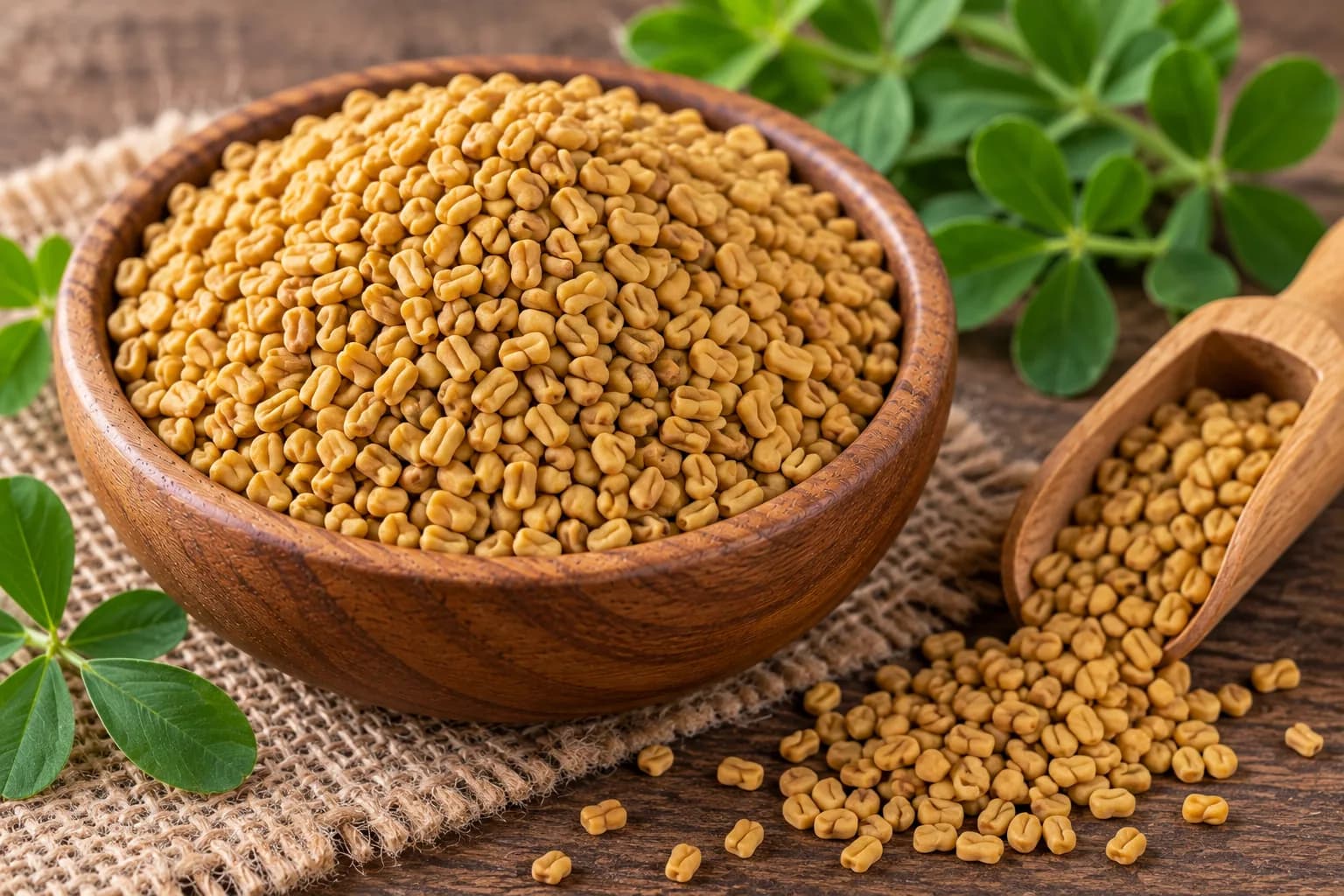
Fenugreek seed exporter from India — whole seeds for food and spice blending

Product
Non-Basmati Rice
Non-basmati rice exporter from India — Sona Masoori, Ponni and IR 64
Compliance Reference
Southeast Asia Import Requirements for Spices and Agri Products
A general orientation to import requirements across Southeast Asian markets for spices and agri products, and why country checks still matter.
Read guide →Destination Guide
Exporting Red Chilli to the UAE: What Buyers in Dubai Should Know
Importing Indian dry red chilli into the UAE — Dubai Municipality registration, Arabic labelling, GCC aflatoxin limits, CIF vs CFR to Jebel Ali, and clearance.
Read guide →Compliance Reference
APEDA vs FSSAI Explained
A plain-language explanation of APEDA and FSSAI registration — what each covers, why a supplier needs both, and how to verify them yourself before you order.
Read guide →Reference
Common Export Documentation Checklist
A one-page reference to the documents that typically accompany an India spice or agri export shipment, and what each one is actually for.
Read guide →Get Started
Request a Product Quotation
Share your product requirements, quantity, destination and packaging preferences — we’ll come back with specification, availability and next steps.