Buyer's Guide
Teja Chilli: What Buyers Should Know Before Importing
"Teja" comes up often enough in chilli enquiries that it's worth its own explanation — it names a specific variety, not a grade or a marketing term, and buyers who ask for it by name usually have a particular heat profile in mind.
Sourcing this product? See our Dry Red Chilli product page for specifications, HS code and MOQ.
What Teja Actually Is
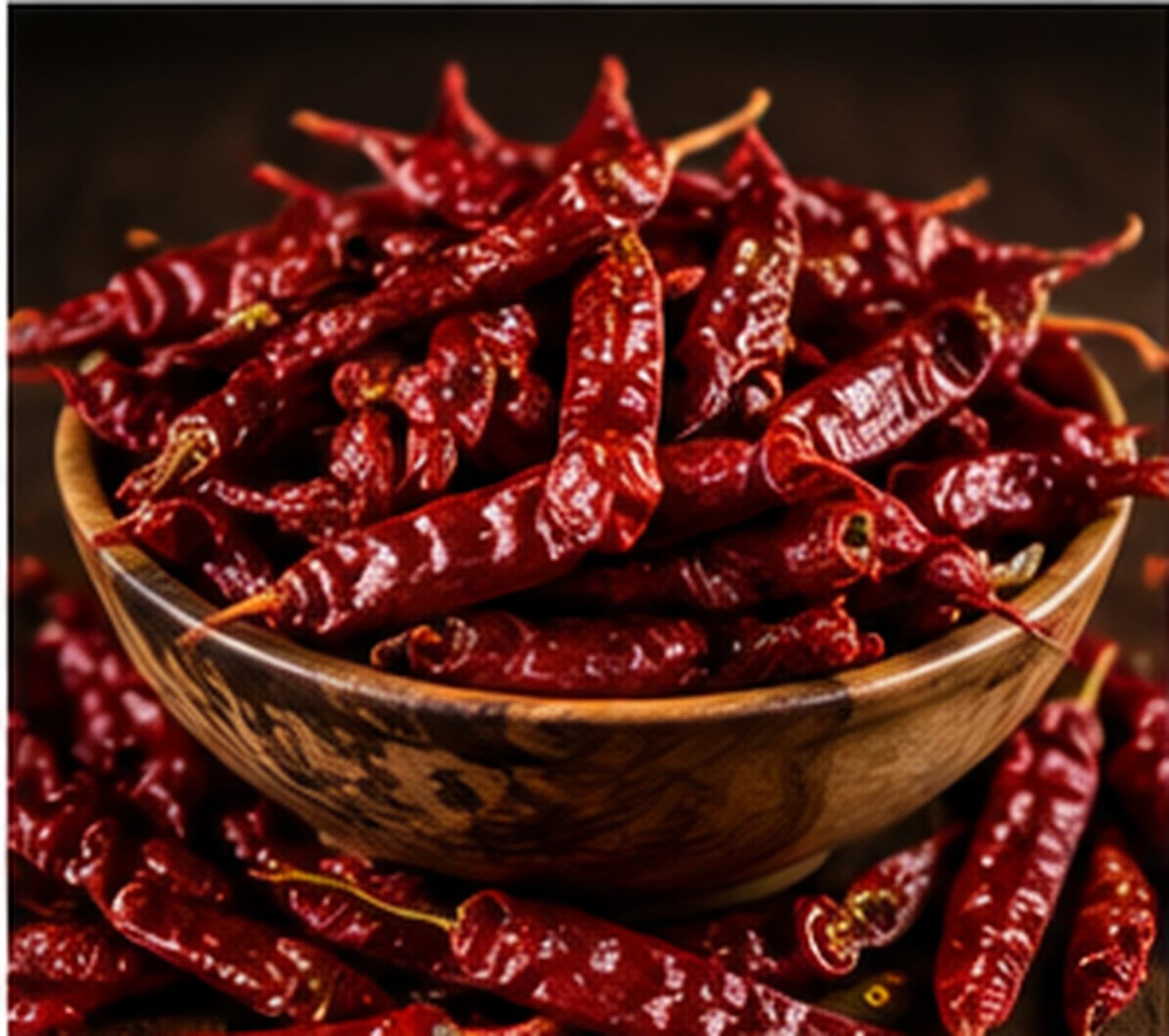
Teja is a hybrid dry red chilli variety grown predominantly in the Guntur belt of Andhra Pradesh and adjoining Telangana districts, bred specifically for high pungency. It's one of several named varieties traded out of the region — alongside others like 334 and Sannam — each with a different heat and colour profile, and "Guntur chilli" as a general term doesn't specify which one you're getting unless the variety is named explicitly.
Why Buyers Specifically Ask for It
Teja is generally traded as one of the hotter commercially available Guntur varieties, which is why buyers targeting a distinctly spicy end product — as opposed to varieties grown more for colour and mild heat — ask for it by name rather than accepting whatever the supplier's default whole-chilli stock happens to be. If your use case specifically needs a higher heat level than a standard-blend dry red chilli, naming the variety is the right way to communicate that, rather than describing heat in relative terms like "very spicy."
Confirm Heat Level as a Tested Number, Not a Variety Name Alone
Pungency in any chilli variety, Teja included, genuinely varies by season, growing conditions and specific lot — a variety name tells you what to generally expect, not a guaranteed Scoville figure for the exact shipment you're buying. Ask for the Scoville Heat Unit (SHU) result for the specific lot rather than relying on the variety name alone, the same way you'd confirm curcumin content on a specific turmeric lot rather than trusting the origin name by itself. See our Guntur dry red chilli sourcing guide for the fuller quality-parameter checklist this fits into.
Stemless vs. With-Stem Processing
Dry red chilli, Teja included, is commonly available processed either with the stem still attached or destemmed ("stemless") — a processing choice rather than a variety difference. Stemless processing is frequently requested for bulk export since it improves packing density and reduces foreign-matter content, but it's an additional processing step worth confirming as available and priced separately rather than assumed as a default.
Sourcing Teja From Us
Teja is one of the varieties available within our dry red chilli range, alongside others sourced from the same Guntur belt — variety, heat level and stemless/with-stem processing are confirmed with the supplying source at enquiry stage, the same way grade and specification are confirmed for any product in our catalogue. Name the variety and your required heat range in your enquiry so it can be checked against current availability.
Frequently Asked Questions
- Is Teja a grade of chilli or a variety?
- A variety — a specific hybrid dry red chilli bred for high pungency, grown predominantly in the Guntur belt of Andhra Pradesh and adjoining Telangana districts, distinct from other traded varieties like 334 or Sannam.
- Why do buyers ask for Teja by name instead of just "Guntur chilli"?
- "Guntur chilli" doesn't specify which variety you're getting. Teja is generally traded as one of the hotter commercially available Guntur varieties, so buyers targeting a distinctly spicy end product name it explicitly rather than accepting whatever default stock a supplier has.
- What SHU should I expect from Teja chilli?
- Pungency varies by season, growing conditions and specific lot, so a variety name alone isn't a guaranteed Scoville figure. Ask for the SHU test result for the specific lot you're buying rather than relying on the variety name by itself.
- What does "stemless" mean for Teja chilli?
- Stemless (destemmed) is a processing choice available for dry red chilli generally, not specific to Teja — it improves packing density and reduces foreign-matter content for bulk export, and is worth confirming as available and priced separately rather than assumed as a default.
Related Reading
Buyer's Guide
Guntur Dry Red Chilli: A Sourcing Guide for Importers
What buyers should know before importing dry red chilli from Guntur — heat level, aflatoxin limits, whole vs. powder, and how to read a chilli spec sheet.
Reference
Spice Grading Terms Glossary
Plain-language definitions of common spice grading terms — SHU, volatile oil, bulk density, foreign matter, and more — for buyers reading a supplier spec sheet.
Product
Dry Red Chilli
Indian dry red chilli supplier — whole chillies and ground powder
Get Started
Request a Product Quotation
Share your product requirements, quantity, destination and packaging preferences — we’ll come back with specification, availability and next steps.