
Reference
Spice Grading Terms Glossary
Spice specification sheets use a consistent set of technical terms across suppliers, even when the format differs. This glossary covers the terms most likely to show up when you're comparing quotes.
Written by Raju Y.
- 3 min
- Reading time
- 5
- Sections
- 4
- Questions answered
- 15 Sept 2026
- Last reviewed
In this guide
Sourcing this product? See our Turmeric, Dry Red Chilli, Coriander, Black Pepper, Cumin, Cardamom, Dry Ginger, Fennel Seeds and Fenugreek Seeds product pages for specifications, HS code and MOQ.
At a glance
Terms Worth Knowing on a Spec Sheet
Moisture
Water content — higher moisture raises spoilage risk and shortens shelf life.
Volatile oil
The aromatic oil responsible for smell and flavour intensity.
Foreign matter
Non-product material — stems, stones, dust — typically capped at a small percentage.
Ash content
Residue after incineration — an indirect indicator of purity.
Curcumin content
The compound behind turmeric's colour and market value.
Piperine content
The compound responsible for black pepper's pungency.
SHU
Scoville Heat Units — the standard scale for measuring chilli pungency.
ASTA colour value
Standardized colour-intensity scale, particularly for chilli and paprika.
Bulk density
Weight per unit volume — used for pepper as an indicator of berry maturity.
Aflatoxin
A mould-produced toxin, regulated with maximum limits in most markets.
Codex limits
International reference maximums, used alongside destination-specific limits.
Certificate of Analysis (CoA)
A lab report confirming a specific lot's tested values.
Quality & Composition Terms
- Moisture — the percentage of water content in the product; higher moisture increases spoilage risk and reduces effective shelf life.
- Volatile oil — the aromatic oil content responsible for a spice's characteristic smell and flavour intensity; a key quality indicator for spices like coriander and turmeric.
- Foreign matter / extraneous matter — non-product material (stems, stones, dust, other plant matter) present in the lot; lower is better, and this is typically capped at a small percentage.
- Ash content — the residue remaining after a sample is incinerated in testing; used as an indirect indicator of purity and mineral content, and elevated ash can suggest contamination or adulteration.
- Purity — the percentage of the product that is the actual intended item, as opposed to admixture from other varieties, grades, or foreign matter.
- Admixture — other seeds or material mixed into a lot, deliberately or accidentally; a particular concern for look-alike seeds such as cumin.
Product-Specific Terms
- Curcumin content — the active compound in turmeric responsible for colour and much of its market value; expressed as a percentage.
- Piperine content — the compound responsible for black pepper's pungency; expressed as a percentage.
- Scoville Heat Units (SHU) — the standard scale for measuring chilli pungency (heat); higher SHU means hotter.
- ASTA colour value — a standardized scale (from the American Spice Trade Association) used to measure the colour intensity of ground spices, particularly chilli and paprika.
- Bulk density — weight per unit volume (commonly grams per litre), used especially for pepper as an indicator of berry maturity and fill.
- Oleoresin — a concentrated extract of a spice's flavour and pungency compounds; buyers sourcing ginger or chilli for extraction specify oleoresin content rather than fibre or appearance.
- Capsaicinoids — the compounds behind chilli pungency; SHU is now typically derived from HPLC measurement of them. See our guide to chilli SHU and ASTA colour.
- Size grade (cardamom) — pod size measured in millimetres (for example 6mm–8mm, or 8mm and above); the primary determinant of cardamom's market grade and value.
Safety & Compliance Terms
- Aflatoxin — a toxin produced by certain moulds that can occur in spices (particularly chilli) under poor storage conditions; regulated with maximum limits in most destination markets.
- Codex limits — reference maximum levels for contaminants set by the Codex Alimentarius, an international food standards body; often used as a general benchmark alongside destination-country-specific limits.
- Certificate of Analysis (CoA) — a lab report confirming a specific lot's tested values against the stated specification.
Physical & Packaging Terms
- Mesh size — the sieve size that ground powder passes through; it sets particle fineness and affects how the product blends, flows and packs.
- Container liner / desiccant — moisture protection placed inside a container or bag to manage condensation risk on long voyages; see our MOQ and container load guide.
Using This Glossary
If a supplier's spec sheet uses a term not covered here, ask them to define it in plain language and, where possible, express it as a testable number — a specification you can't verify against an actual lab result isn't a specification you can rely on.
Frequently Asked Questions
What does “volatile oil” mean on a spice spec sheet?
The aromatic oil content responsible for a spice's characteristic smell and flavour intensity — a key quality indicator for spices like coriander and turmeric.
What is ASTA colour value?
A standardized scale from the American Spice Trade Association used to measure the colour intensity of ground spices, particularly chilli and paprika.
What are Scoville Heat Units?
The standard scale for measuring chilli pungency; higher SHU means hotter.
What is a Certificate of Analysis?
A lab report confirming a specific lot's tested values against the stated specification.
This guide is general orientation for buyers, not legal, customs or regulatory advice. Requirements change and vary by product, origin and importer type — confirm current rules with your own customs broker or compliance contact before relying on anything here for an actual shipment.
Related Reading
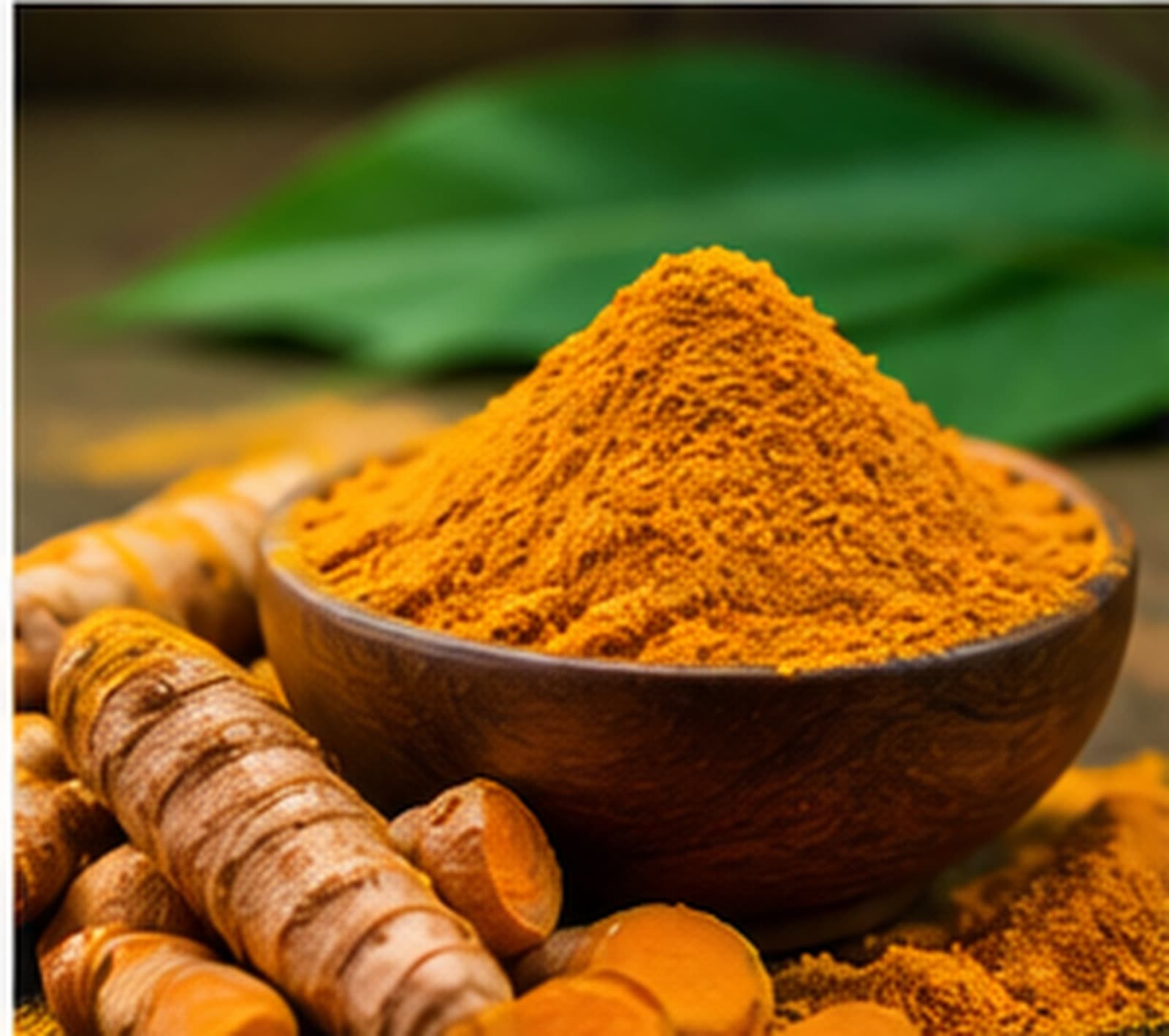
Product
Turmeric
Turmeric exporter from India — whole fingers and ground powder
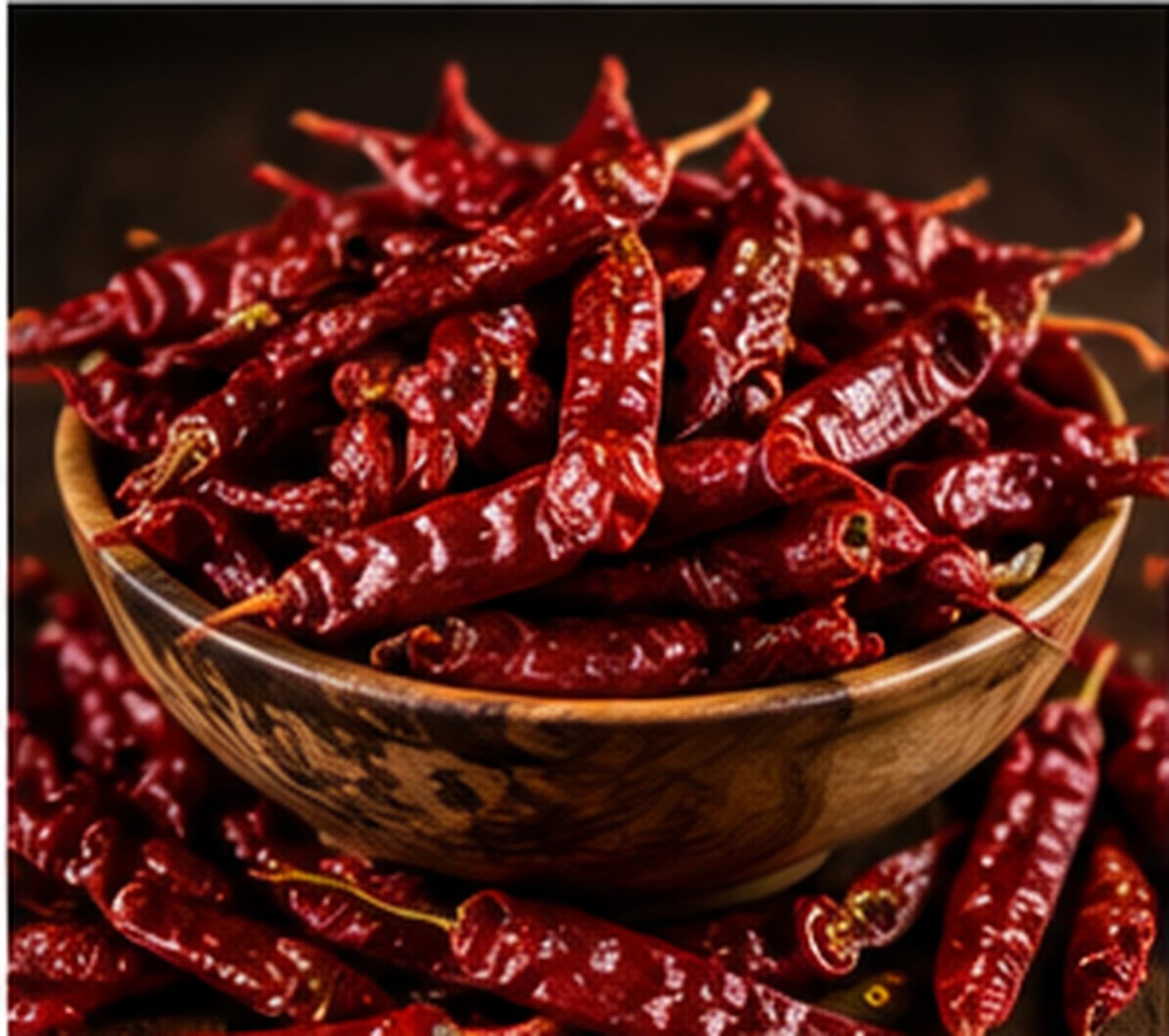
Product
Dry Red Chilli
Indian dry red chilli supplier — whole chillies and ground powder
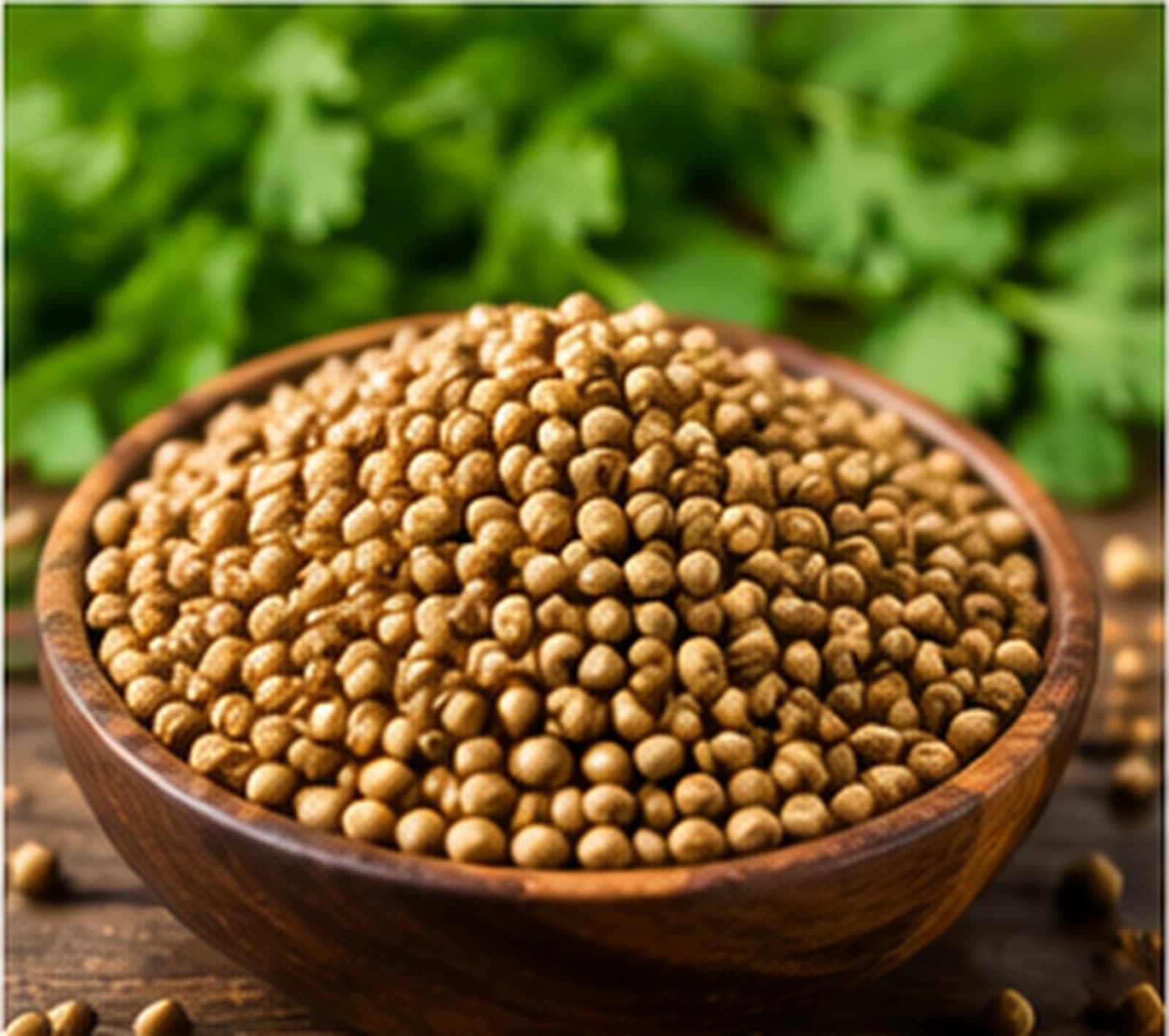
Product
Coriander
Coriander supplier India — whole seeds and ground powder
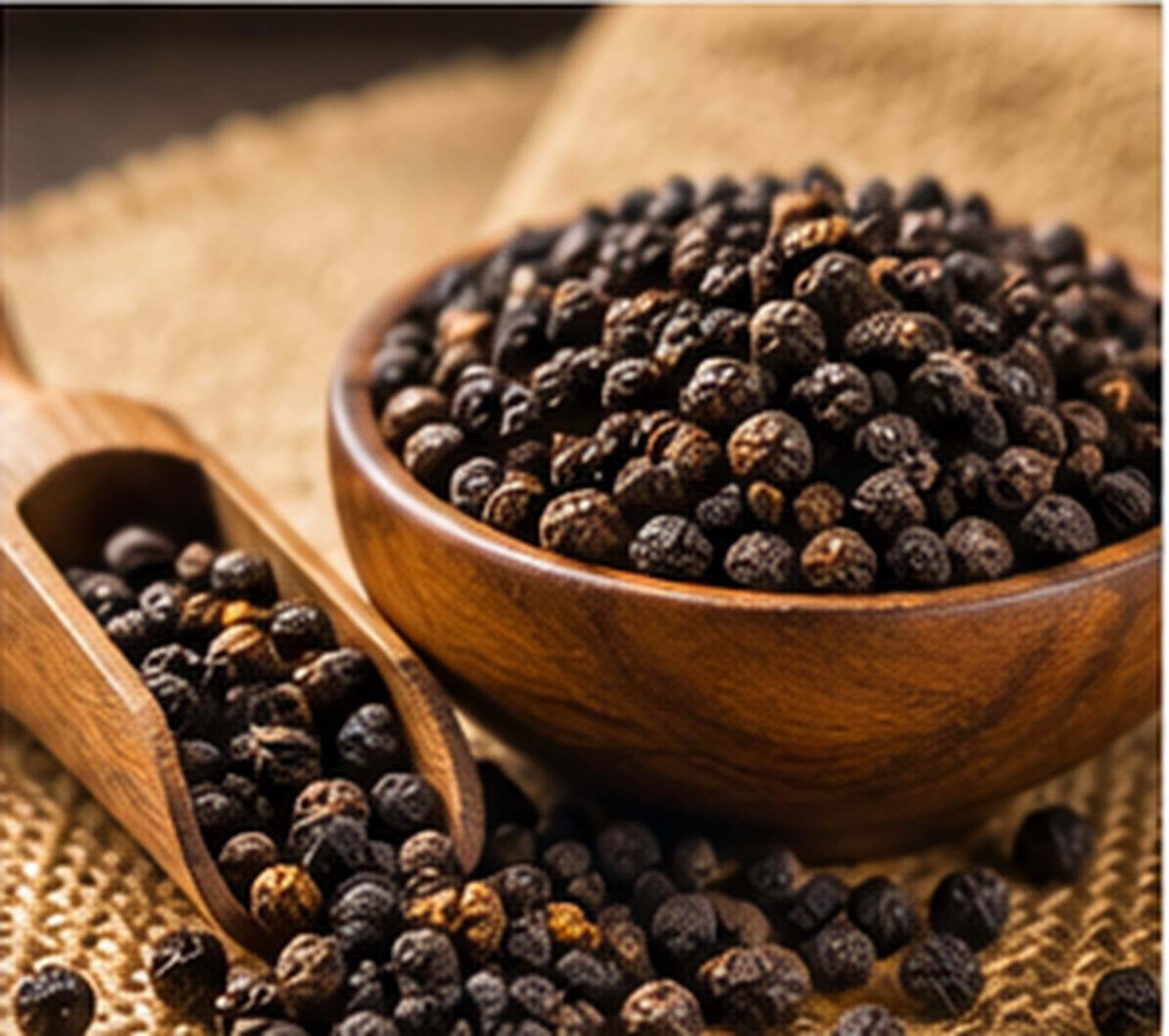
Product
Black Pepper
Black pepper export supplier India — whole and ground
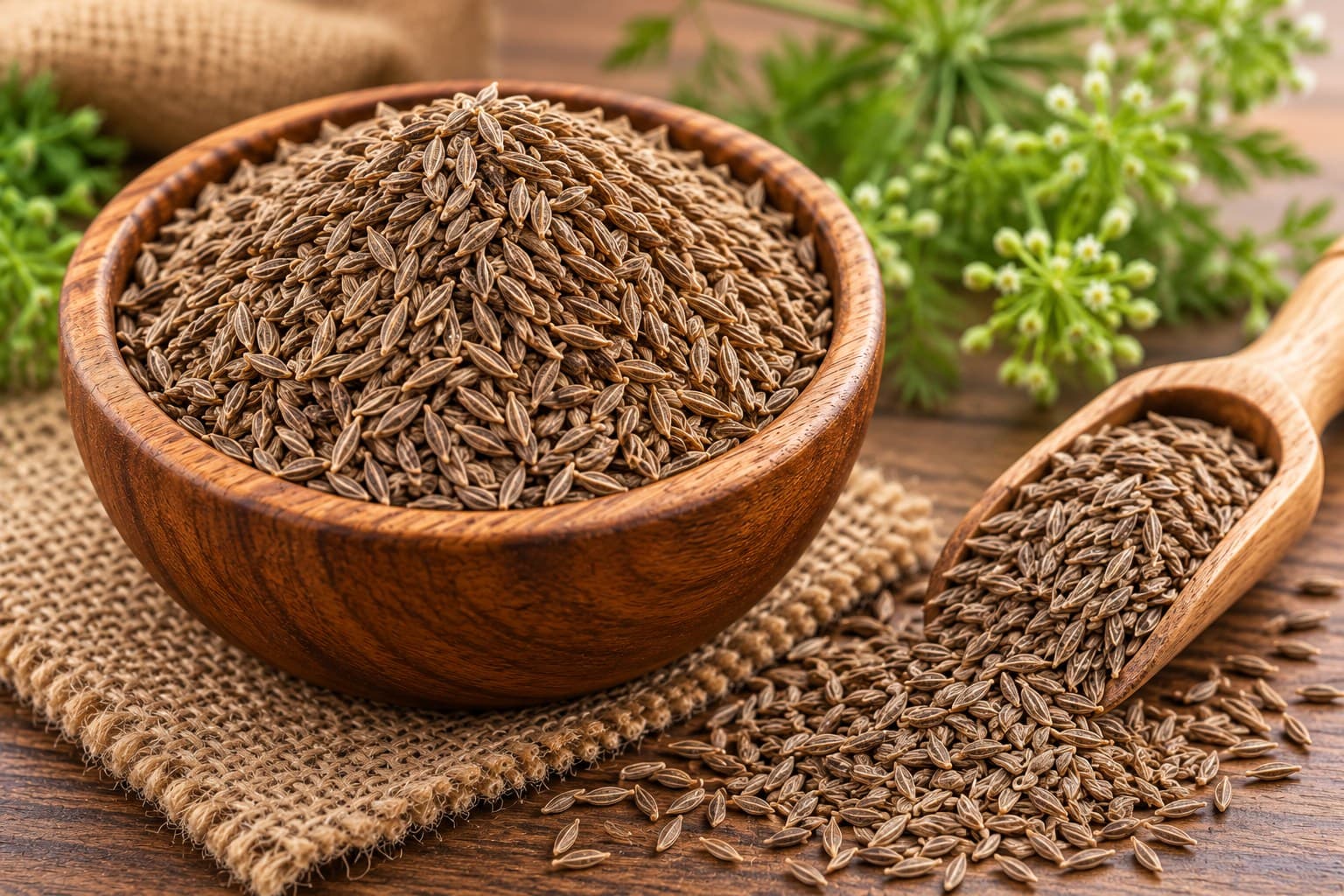
Product
Cumin
Cumin seed exporter from India — whole seeds and ground powder

Product
Cardamom
Green cardamom exporter from India — whole pods, seeds and ground powder
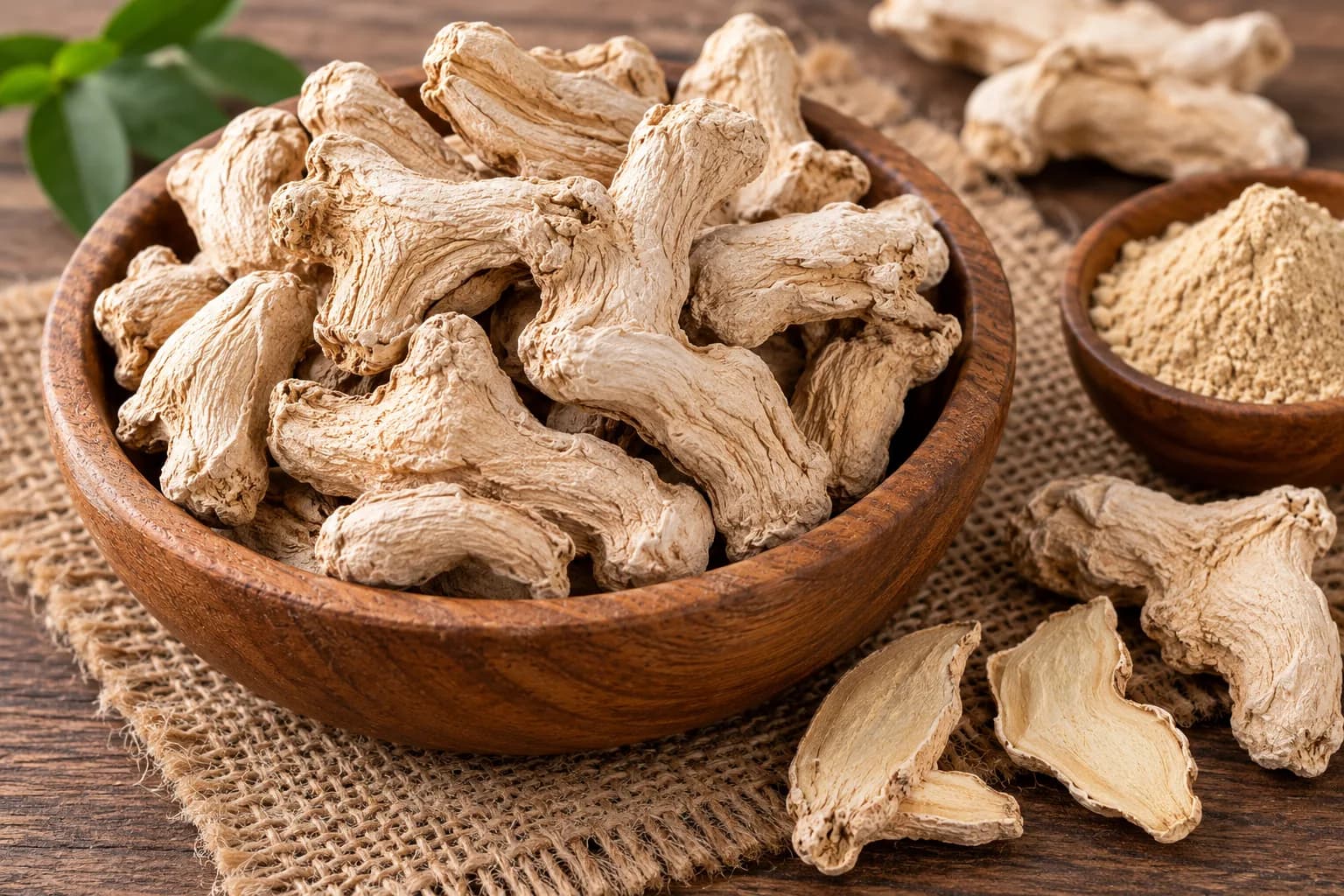
Product
Dry Ginger
Dry ginger exporter from India — whole dried ginger and ground powder
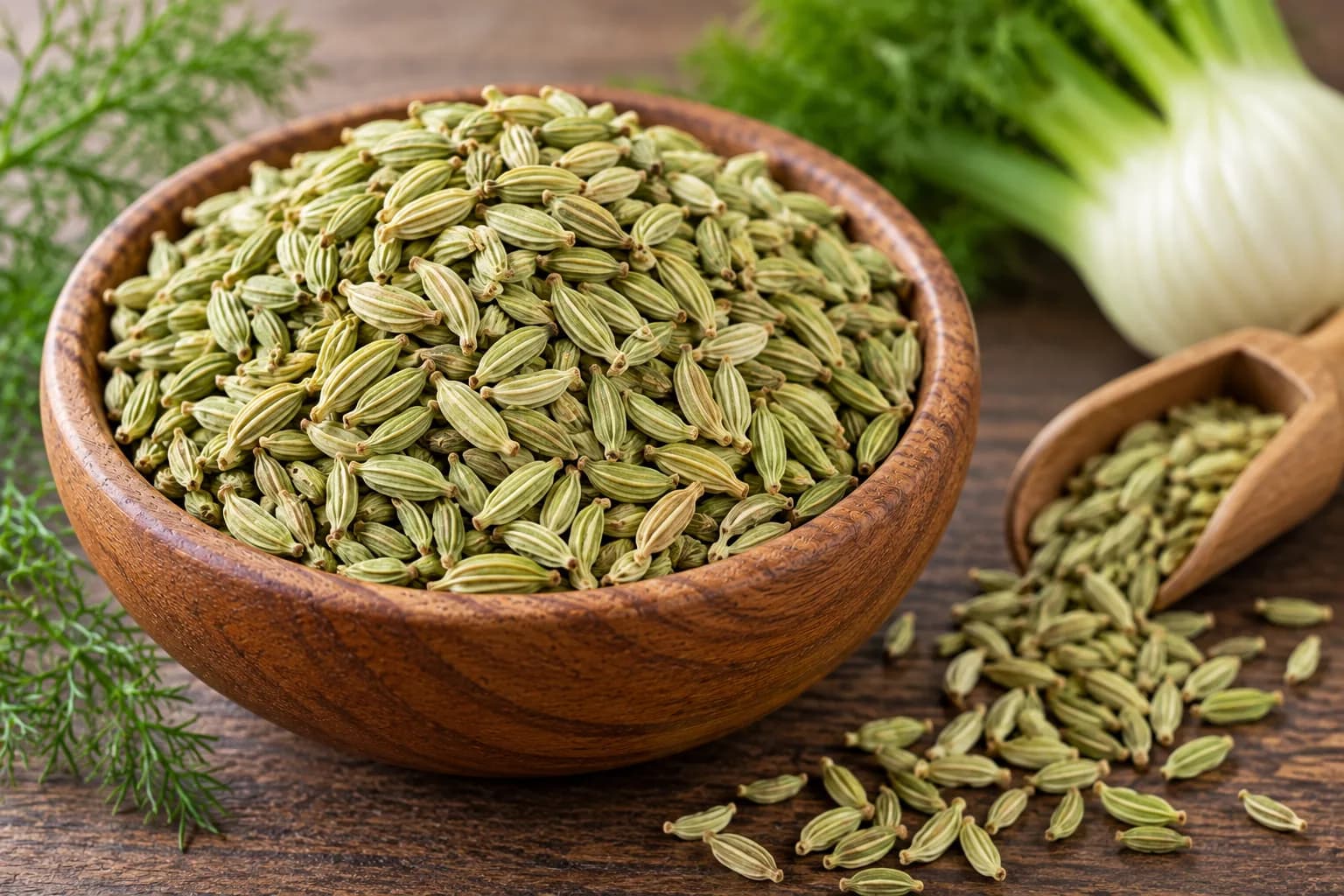
Product
Fennel Seeds
Fennel seed exporter from India — whole seeds for food and beverage manufacturing
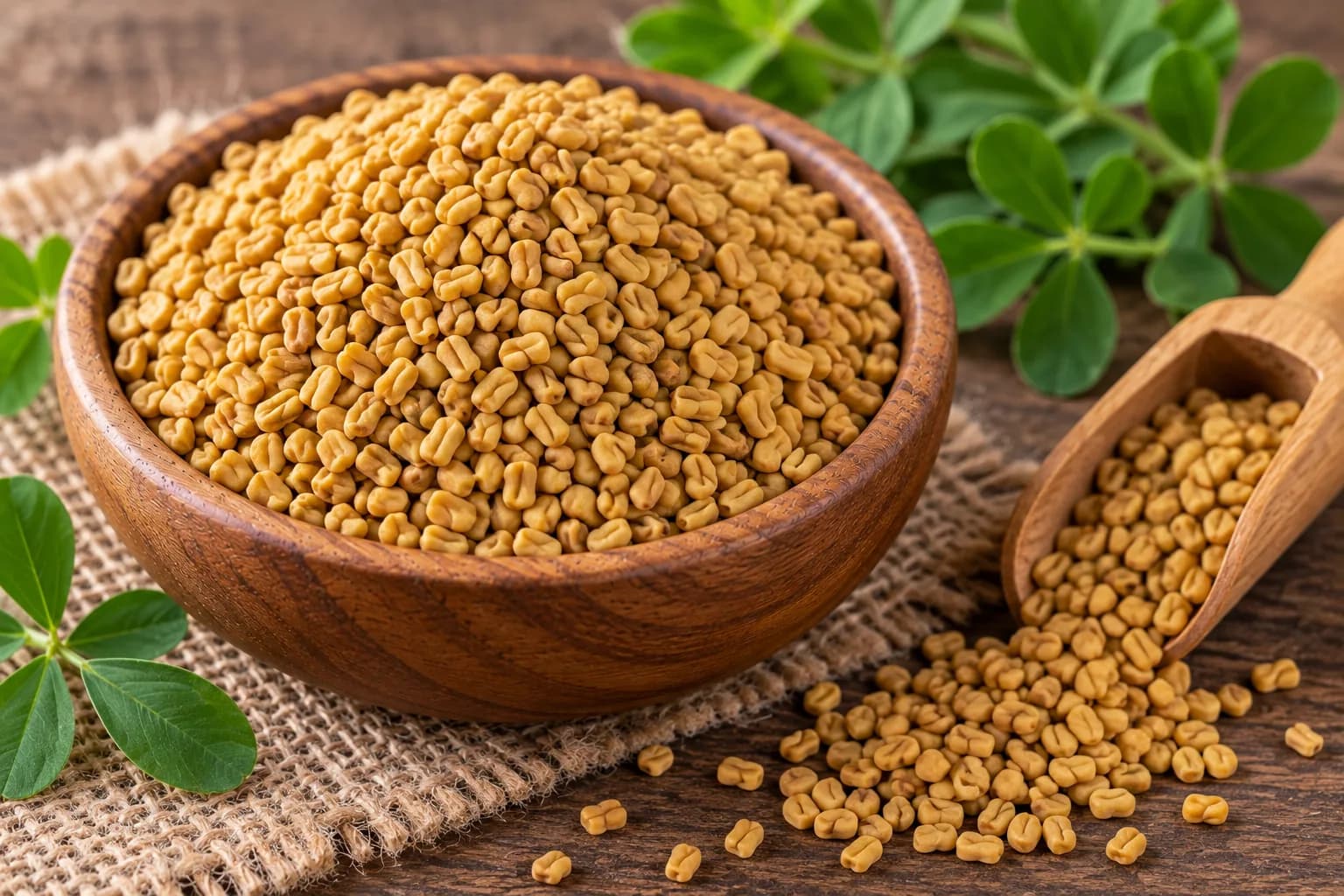
Product
Fenugreek Seeds
Fenugreek seed exporter from India — whole seeds for food and spice blending
Buyer's Guide
How to Import Turmeric from India
A practical guide for buyers importing turmeric from India — sourcing regions, quality parameters, HS codes, MOQ, container math, and export documentation.
Read guide →Buyer's Guide
Guntur Dry Red Chilli: A Sourcing Guide for Importers
What buyers should know before importing dry red chilli from Guntur — heat level, aflatoxin limits, whole vs. powder, and how to read a chilli spec sheet.
Read guide →Reference
Quality & Safety Testing for Spice Exports: Aflatoxin, Pesticide Residue and Microbial Limits
What aflatoxin, pesticide residue (MRL) and microbiological testing check on a spice shipment, why limits differ by destination, and what to ask a supplier for.
Read guide →Buyer's Guide
Cumin Seeds from India: Grades, Uses, and What to Check
A practical guide to sourcing cumin seeds from India — origin, aroma and volatile-oil specification, whole vs. ground, and what to ask before ordering.
Read guide →Buyer's Guide
Certificate of Analysis for Spice Exports: What to Check
What a Certificate of Analysis does and does not prove for a spice shipment, who issues it, what to check on the report and how it fits into LC document sets.
Read guide →Buyer's Guide
Chilli SHU and ASTA Colour Explained
What SHU (pungency) and ASTA (colour) measure in chilli, how each is tested, and how to write both into a specification.
Read guide →Get Started
Request a Product Quotation
Share your product requirements, quantity, destination and packaging preferences — we’ll come back with specification, availability and next steps.